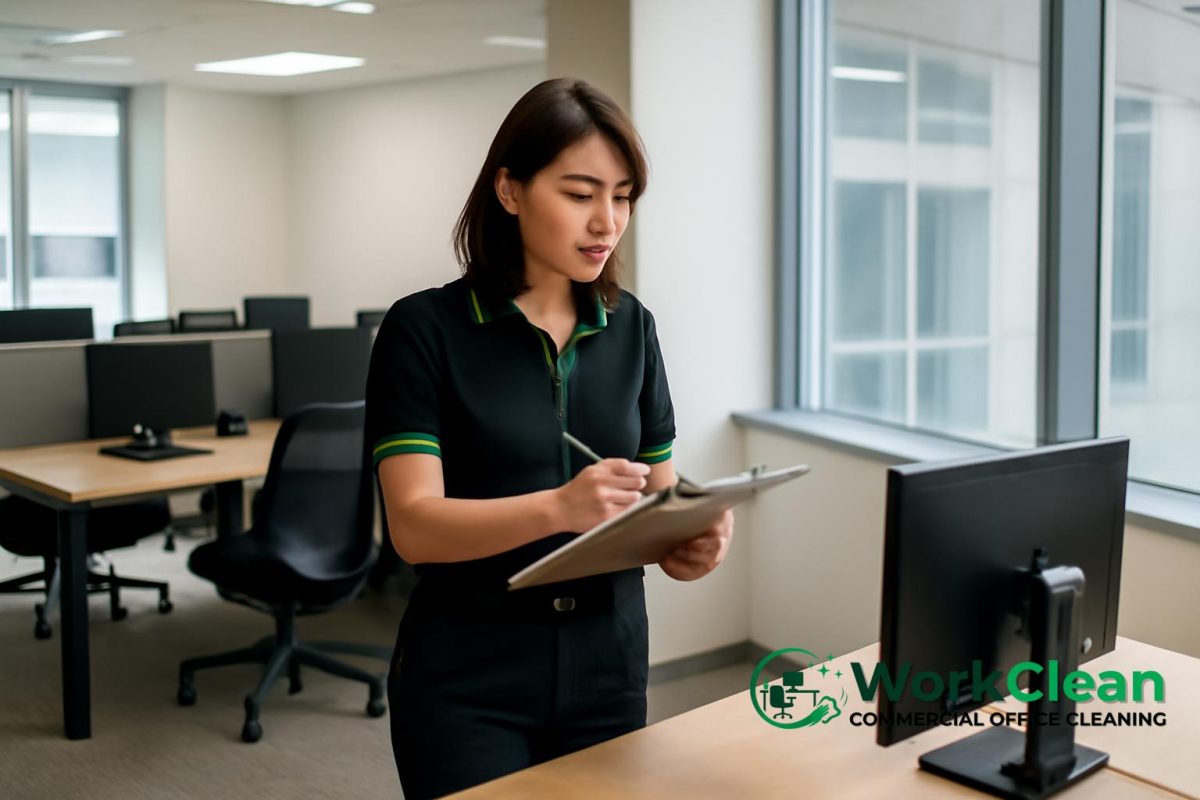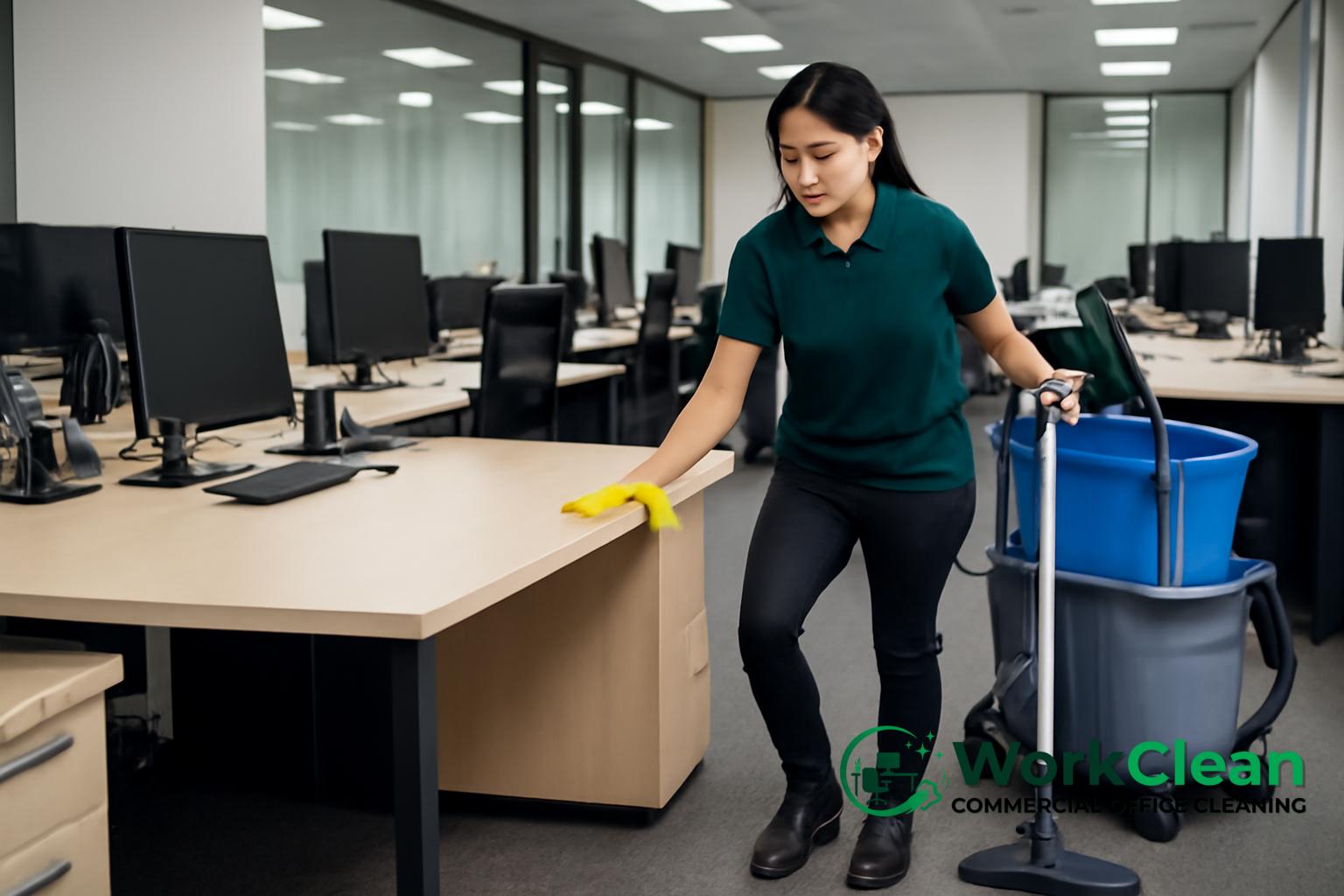
Keeping office workstations clean without disturbing personal items is a balancing act that matters in every Singapore workplace. Employees expect a tidy, hygienic environment, but they also need their documents, devices, stationery and desk organisation to remain exactly where they left them. A thoughtful office cleaning routine can support both cleanliness and trust, especially when cleaning is carried out in a busy office, co-working space, reception area or shared commercial premises.
Why workstation-sensitive cleaning matters
Workstations are often highly personal, even in open-plan offices. Staff may keep laptops, chargers, notebooks, name cards, confidential papers, medication, water bottles and productivity tools within easy reach. When cleaning is done carelessly, it can interrupt work, create frustration and sometimes expose private information or cause items to go missing from their usual places.
For office managers and facilities teams, the goal is not just a clean surface. It is a consistent cleaning process that protects productivity, respects personal space and supports a professional workplace image. In Singapore offices, where space is often compact and desks are used daily, this approach is especially important.
Set clear boundaries before cleaning begins
The easiest way to avoid disruption is to define what cleaners may touch and what should be left alone. A practical cleaning scope should explain whether the cleaner is only wiping accessible surfaces, or whether items on the desk may be shifted carefully and returned after cleaning. The clearer the arrangement, the smoother the service.
Many offices use simple workstation rules such as:
- Do not move laptops, phones, documents or personal bags unless authorised.
- Clean around visible items using approved cloths and tools.
- Only remove rubbish, empty cups and obvious waste from the desk.
- Alert the office contact if sensitive papers block proper cleaning.
These expectations can be shared during onboarding with the cleaning provider and, where needed, reinforced with staff. A short instruction sheet works well for regular office cleaning services and part time cleaning services alike.
Use a clean-around-not-clean-over method
When cleaning personal workstations, the safest approach is often to clean around items rather than under or behind everything. Microfibre cloths, small dusting tools and low-moisture methods allow cleaners to remove dust from desk edges, monitors stands, drawer fronts and keyboard areas without shifting the entire workspace.
For shared offices and commercial spaces, this method reduces the risk of accidental damage while still maintaining hygiene standards. Cleaners can focus on high-touch points such as desk edges, chair arms, power switches, partition surfaces and telephone handsets, provided these items are part of the agreed scope and are not being actively used.
Where a desk is cluttered, the cleaner should follow the pre-agreed rule: if something is not clearly part of general waste or visible surface cleaning, it stays in place. That small discipline helps protect both property and staff confidence.
Choose the right time and frequency for office cleaning
Cleaning frequency has a direct impact on how much disruption staff experience. Early mornings, evenings and weekends are often ideal for deeper cleaning of desks, meeting rooms and shared areas because fewer people are working at those times. In some offices, part time office cleaning during the day may still work well if cleaners handle only lighter tasks and avoid occupied stations.
Frequency should also match the type of workspace. Busy offices, client-facing reception areas and shared commercial premises usually need more frequent attention than smaller, lightly used offices. A suitable schedule may include daily general cleaning, periodic pantry and toilet sanitation, and less frequent upholstery cleaning or office chair cleaning as part of planned maintenance.
For Singapore workplaces, a customised schedule can help balance hygiene, cost and convenience. For example, workstations may be cleaned after hours, while toilets, pantries and common areas are refreshed during the day to keep the space presentable.
Protect documents, devices and confidential materials
Office cleaning should never create a confidentiality problem. Sensitive paperwork, customer files, staff records and device screens should not be disturbed unless the office has made a clear arrangement for it. This is especially relevant in law firms, finance teams, medical-adjacent offices and co-working spaces with multiple tenants.
Good practice includes asking staff to tidy desks before cleaning time and storing confidential papers in drawers or lockers where possible. Cleaners should be trained to avoid browsing through papers or opening drawers unless specifically instructed. If a desk is heavily occupied, the cleaner can concentrate on reachable areas such as the floor, skirting, bin, chair base and external surfaces.
Digital equipment also deserves careful handling. Screens, docking stations, keyboards and cables require the right tools and a light touch. A professional office cleaning company should use suitable methods that reduce dust without creating liquid damage or moving equipment unnecessarily.
Keep shared areas tidy without affecting individual desks
In many workplaces, the biggest cleaning gains come from shared areas rather than personal desks alone. Meeting rooms, reception areas, pantries, toilets, corridors and breakout spaces affect how clean the whole office feels, even if staff desks are left untouched during the workday.
Prioritising these spaces can reduce complaints and improve visitor experience without interfering with personal workstations. For example, cleaners can wipe meeting tables after use, sanitise pantry counters, empty bins, replenish consumables and maintain toilet hygiene on a fixed schedule. These tasks support workplace hygiene while keeping desk disruption to a minimum.
Floor upkeep also matters. Dust, crumbs and foot traffic quickly spread through commercial premises in Singapore. Regular sweeping, vacuuming and mopping of open areas, plus periodic upholstery cleaning for office sofas and chairs, helps the whole environment stay fresh even when individual desks are handled carefully.
DIY cleaning versus professional office cleaning
Some basic desk care can be done by staff themselves, especially when they want to protect personal items. Wiping away crumbs, keeping cables organised and clearing unwanted papers are simple habits that make workstation cleaning easier. However, DIY cleaning is usually limited in scope and can be inconsistent across teams.
A professional office cleaning arrangement is more practical for deeper, repeatable hygiene across a full workplace. Cleaners bring the right tools, follow a set routine and can cover toilets, pantries, reception areas, floors, chairs and sofas in a coordinated way. This is especially useful for businesses that need regular office cleaning services or part time office cleaning support without hiring a full in-house team.
The real value of professional cleaning is not just appearance. It is consistency, reduced disruption and a clearer standard for workplace cleanliness across the whole office.
What to look for in an office cleaning company
When choosing an office cleaning company or commercial cleaning company in Singapore, it helps to look beyond the lowest price. The provider should be able to explain how it handles occupied desks, confidential items, workstation cleaning and shared space hygiene. A transparent scope is more useful than vague promises.
Useful questions include:
- How are personal desk items protected during cleaning?
- Can the cleaning schedule be customised around office hours?
- Which areas are included: workstations, meeting rooms, reception, pantry, toilets and floors?
- What equipment and cleaning materials are used for desks, chairs and upholstery?
- How is the service adapted for part time arrangements or smaller premises?
Cost factors usually depend on the size of the premises, cleaning frequency, scope of work, after-hours requirements and whether specialised tasks such as upholstery cleaning are included. A suitable provider should explain these variables clearly so businesses can compare options on a fair basis.
If you would like a transparent quotation and a suitable office or commercial cleaning scope, frequency and schedule, you may WhatsApp WorkClean Commercial Office Cleaning Singapore at this link.
Conclusion
Office cleaning can be done without disturbing personal workstation items when the process is built around clear rules, careful timing and respectful methods. The best results come from a cleaning plan that protects confidential materials, supports daily hygiene and keeps shared areas presentable without interrupting work. For Singapore businesses, a well-structured cleaning arrangement can improve productivity, staff comfort and visitor impression at the same time.
Choose WorkClean Commercial Office Cleaning Singapore
WorkClean Commercial Office Cleaning Singapore supports workplaces across Singapore with dependable and flexible office and commercial cleaning services. Our office cleaning arrangements include regular office cleaning, part-time office cleaning, part-time cleaning services and customised schedules for clients who require support with office upkeep without managing an in-house cleaning team. As an office cleaning company, we focus on key workplace areas such as workstations, meeting rooms, reception areas, pantries, toilets and common spaces. Whether you need a part-time office cleaner or a part-time cleaning company, we can recommend a suitable arrangement based on your premises, preferred timing and cleaning scope.
For broader commercial requirements, we also provide commercial cleaning services for different types of commercial premises. As a commercial cleaning company, we offer commercial office cleaning services together with general upkeep, upholstery cleaning, office chair cleaning and sofa cleaning where suitable.
Clients can read our blog for workplace cleaning insights, review our completed projects or check our pricing for available cleaning options. Contact WorkClean Commercial Office Cleaning Singapore on WhatsApp at +65 8241 0032 for assistance or to request a quotation.
Frequently Asked Questions
How can cleaners clean a desk without moving personal items?
They can use a clean-around approach, wiping exposed surfaces and reachable areas while leaving laptops, documents, bags and other personal items in place. Clear instructions from the office help keep this consistent.
Is part time office cleaning suitable for occupied workstations?
Yes, provided the scope is carefully planned. Part time cleaning works well when cleaners focus on shared spaces, bins, floors and light surface cleaning while avoiding active desks during working hours.
What areas should usually be included in office cleaning?
Most offices benefit from cleaning workstations, meeting rooms, reception areas, pantries, toilets, shared spaces, floors, office chairs and sofas. The exact scope should match the workplace layout and cleaning frequency needed.