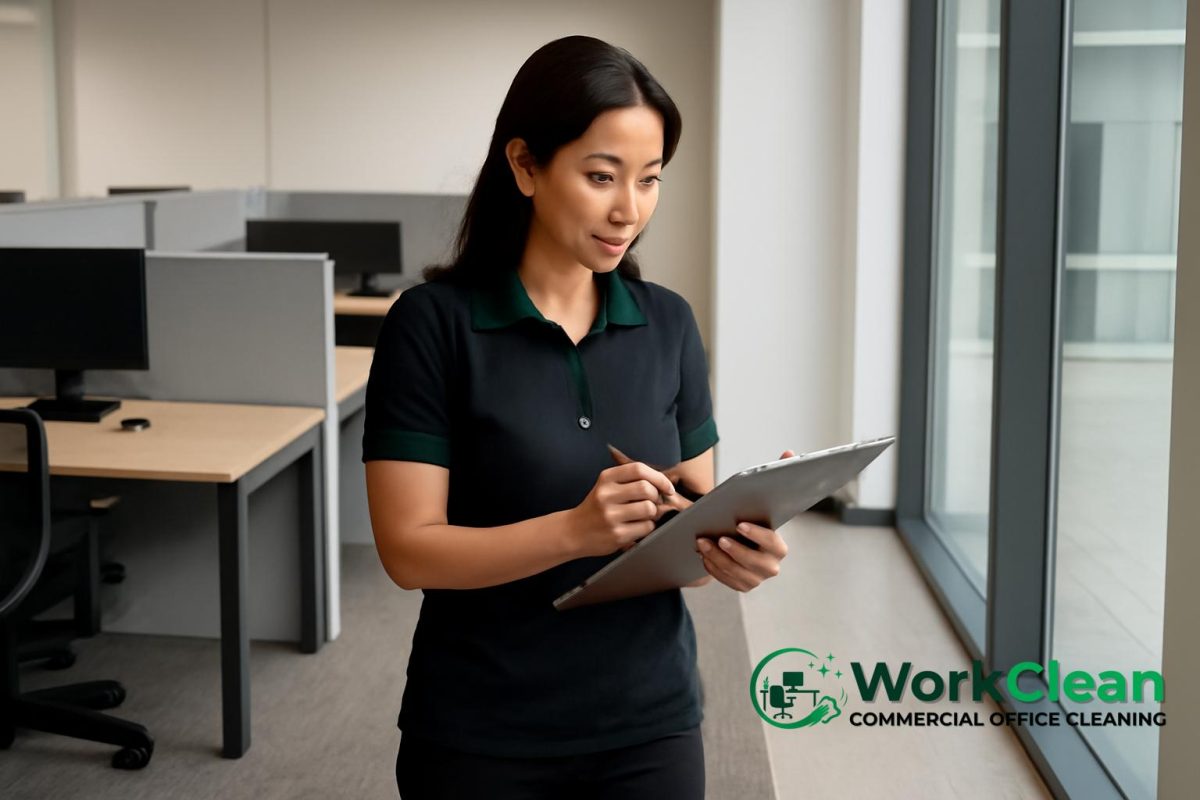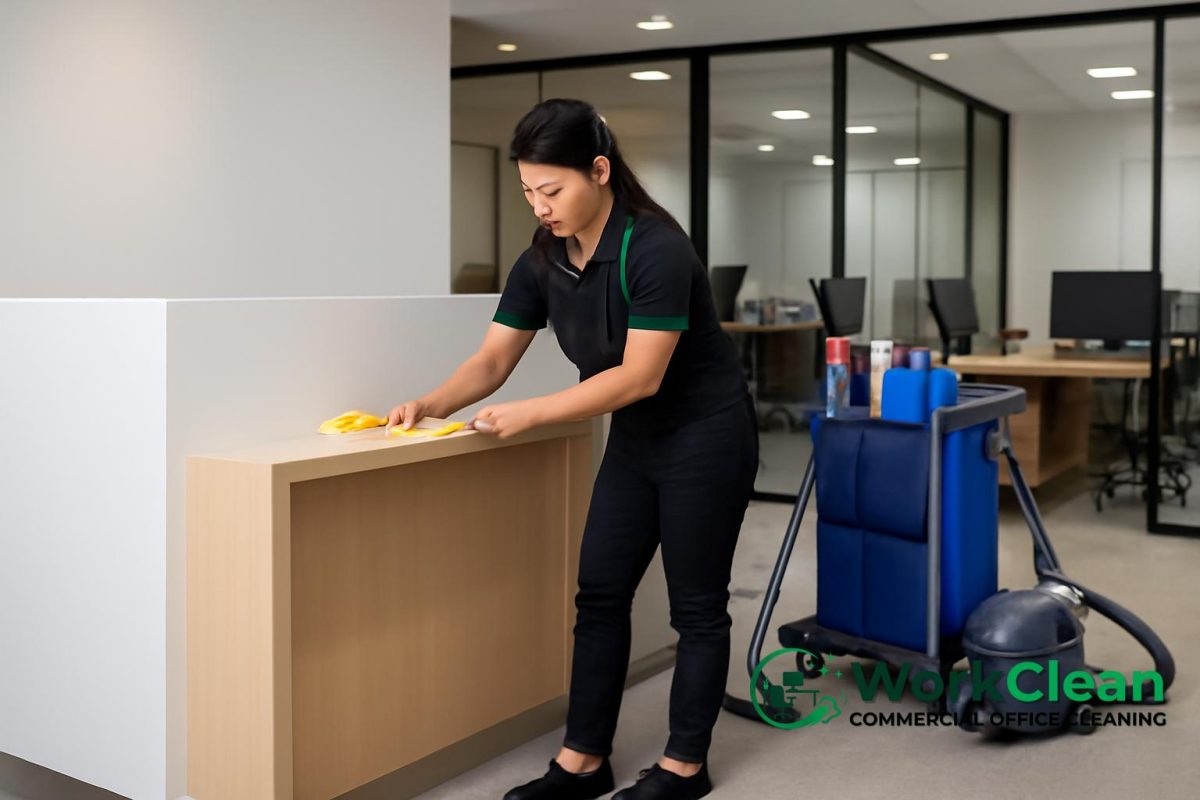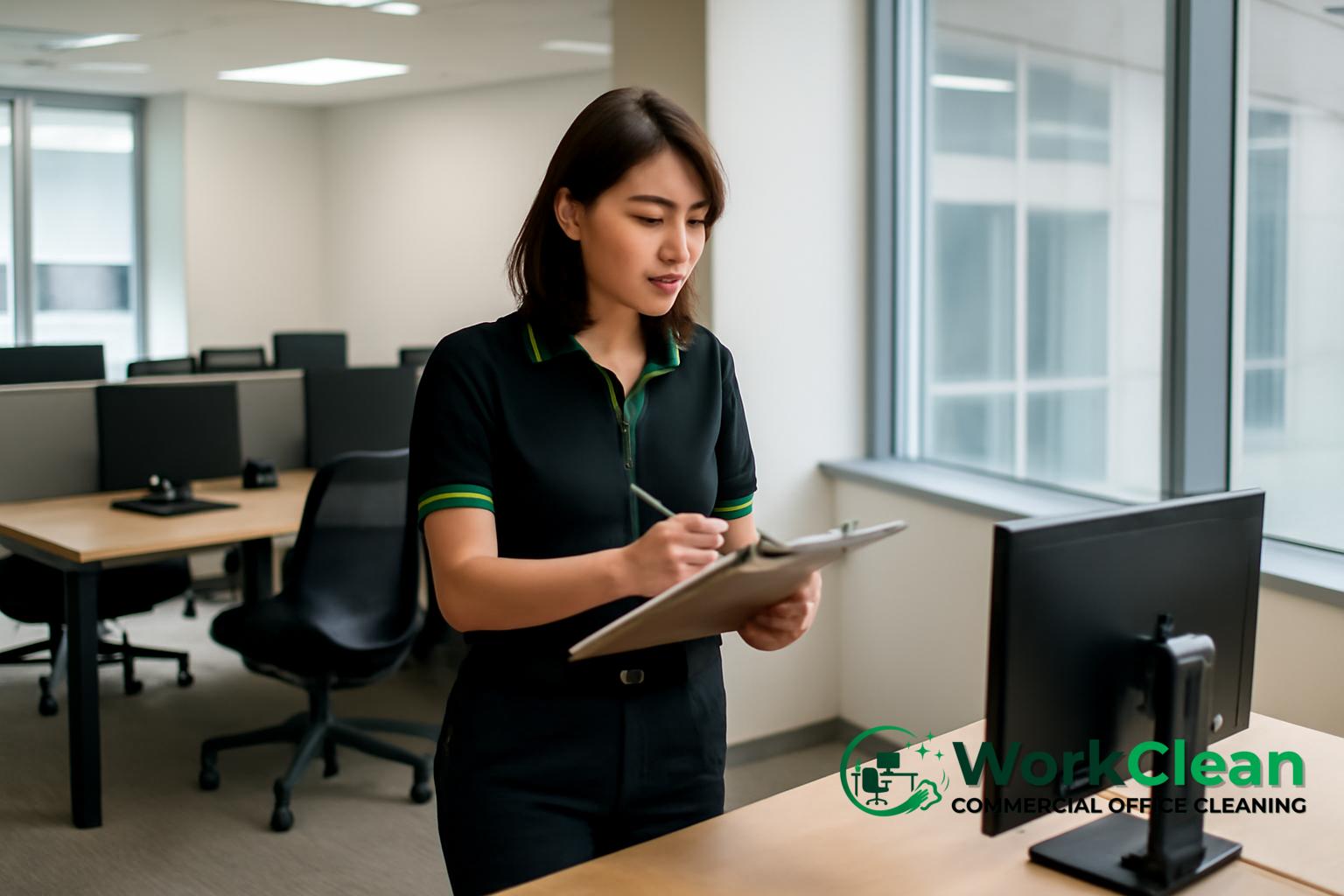
For shared workplace facilities, the best office cleaning routine is one that is consistent, practical and matched to how the space is actually used. In Singapore offices, co-working spaces and commercial premises, shared areas such as pantries, toilets, meeting rooms, reception zones and communal desks can become untidy quickly, especially when many people use them across the day. A sensible cleaning routine helps maintain hygiene, support staff comfort and present a professional image to visitors.
Why shared workplace facilities need a different cleaning approach
Shared facilities are used more heavily than individual workstations, so they collect dirt, touchpoints and spillages faster. A cleaning routine for these areas should therefore be more frequent and more targeted than general office upkeep alone. The aim is not only to keep surfaces looking neat, but also to reduce odours, sticky residues, dust build-up and cross-contamination between users.
In a Singapore office environment, this is especially important because air-conditioned interiors can still accumulate dust, while humid conditions may make pantry messes, toilet odours and upholstery issues more noticeable. Facilities managers and administrative teams often find that a clear schedule works better than ad hoc cleaning, because everyone knows what is cleaned, when it is cleaned and what still needs attention during the day.
The core areas that should be cleaned regularly
A good routine starts with the highest-use shared spaces. These usually include reception areas, meeting rooms, pantries, toilets, corridors, lift lobbies, collaboration corners and shared equipment zones. Workstations should also be included where employees rotate desks or share hot-desking arrangements, as these surfaces can gather dust, fingerprints and everyday debris.
For most offices and suitable commercial premises, the routine should cover:
- Desk surfaces, shared tables and touchpoints
- Meeting room tables, chairs and remote controls
- Reception counters, waiting areas and visitor seating
- Pantry counters, sinks, microwaves and fridge exteriors
- Toilets, wash basins, mirrors and dispensers
- Floors, skirting, corners and entry mats
- Office chairs, sofas and other upholstery in shared zones
Where relevant, commercial cleaning may also need to include additional surfaces such as glass partitions, pantry shelving, bin areas and high-touch fixtures like door handles and switches. The more specific the scope, the easier it is to maintain a reliable standard.
How often each area should be cleaned
The best routine is usually a mix of daily, weekly and periodic tasks rather than a one-size-fits-all approach. Daily cleaning is essential for toilets, pantries, floors, bins and high-touch points. These areas are used constantly and can affect hygiene and staff experience very quickly if they are left unattended.
Weekly or scheduled deep-clean tasks can then support the daily routine. For example, meeting room chairs, office sofas, pantry appliances and less obvious dust-collecting areas may not need intensive cleaning every day, but they should not be ignored. A part time office cleaning arrangement often works well for SMEs and startups that need regular upkeep without the cost of a full-time in-house cleaner.
In busier offices, a split schedule may be more suitable. Some facilities need morning maintenance, midday touchpoint cleaning and end-of-day cleaning to keep shared spaces usable throughout the business day. The right frequency depends on headcount, visitor traffic, pantry use, toilet usage and whether the workplace has frequent meetings or hot-desking.
What a practical cleaning routine looks like across the day
A useful routine usually follows usage patterns. Before staff arrive, cleaners can focus on floors, toilets, reception readiness, pantry surfaces and emptying bins. This helps the workplace start the day in a presentable condition and reduces complaints about overnight dust, odours or leftovers from the previous day.
During the day, light touchpoint cleaning is often the most valuable. Shared handles, pantry counters, sink areas, communal tables and meeting rooms may need quick wipe-downs after use. In offices with regular client visits, keeping reception areas and visitor-facing spaces tidy throughout the day is often as important as the end-of-day clean.
At the end of the day, the routine should reset the workplace for the next morning. That usually means clearing rubbish, wiping surfaces, disinfecting toilets and pantry points, vacuuming or mopping floors, and checking that shared spaces are free from food waste, spillages and misplaced items.
DIY cleaning versus professional office cleaning services
Some basic upkeep can be managed internally. Staff may wipe their own desks, clear pantry spills and keep personal areas tidy. However, relying only on DIY cleaning rarely gives shared workplace facilities the consistency they need. Office teams are usually focused on work, not maintenance, and cleaning standards can vary depending on who is available on the day.
Professional office cleaning services are better suited to routine cleaning of shared facilities because they provide a structured scope and regular schedule. A commercial cleaning company can also handle floor upkeep, upholstery cleaning, office chair cleaning and office sofa cleaning as part of a customised arrangement. This is particularly helpful where the workplace includes fabric seating, visitor lounges or more demanding shared areas.
For many businesses, the best answer is a combination of both. Staff maintain personal responsibility for tidiness, while a part time cleaning service handles the deeper, more systematic tasks. This supports hygiene without placing the burden entirely on internal teams.
Cleaning equipment and materials that improve results
The right equipment makes a noticeable difference in shared facilities. Microfibre cloths, neutral cleaning solutions, vacuum cleaners with suitable attachments, mop systems and proper waste handling tools all help achieve a cleaner finish. For toilets and pantries, colour-coded cloths and separate tools for different areas can reduce the risk of cross-use between surfaces.
For upholstery and seating, regular vacuuming helps remove dust and crumbs, while periodic deep cleaning can refresh office chairs and sofas that are used by many people each day. Floor maintenance should also be suited to the surface type, whether it is vinyl, tile, carpet or polished flooring. A cleaning routine is only as effective as the tools used to carry it out.
It is also worth checking that consumables are replenished in time. Hand soap, paper towels, toilet paper, bin liners and other shared essentials should be monitored as part of the routine, especially in offices that receive visitors or run with lean administrative support.
Common cleaning mistakes in shared workplace facilities
One common mistake is cleaning visible areas while neglecting high-touch points and hidden corners. Shared facilities may look acceptable at a glance, yet still harbour dust on skirting, under counters or around fixtures. Another mistake is inconsistent frequency, where a space is cleaned thoroughly one week and only lightly attended the next.
Overlooking upholstery and seating is another issue. Office chairs and sofas often absorb everyday dirt, sweat and odours, especially in air-conditioned rooms where fabric may hold particles for longer. Meeting rooms and reception areas also tend to be under-cleaned between formal visits, even though they create a strong impression on clients and partners.
Finally, some workplaces set a cleaning routine but do not review it as usage changes. A new team layout, more hot-desking, additional pantry use or more frequent client meetings can all mean the previous routine is no longer enough. The schedule should evolve with the workplace.
What to look for when choosing a cleaning provider
When selecting an office cleaning company in Singapore, start with the scope rather than the price alone. A suitable provider should be able to explain what is included in the routine, how often each area will be cleaned and how the schedule can be adapted for your office or commercial premises. Clear communication matters just as much as equipment and cleaning methods.
It is also wise to ask about experience with shared workplace facilities, particularly pantries, toilets, meeting rooms, reception areas and upholstery. Providers offering regular office cleaning services or part time cleaning services are often well placed to support SMEs, startups and co-working spaces that need flexibility. Transparent quotations, practical scheduling and a realistic cleaning checklist are usually stronger indicators than vague promises.
Cost factors typically include floor area, number of shared zones, cleaning frequency, after-hours work, special tasks such as upholstery cleaning and the level of hygiene required. A routine that is too minimal may save money upfront but create issues later, while an over-specified scope may be unnecessary for a smaller workplace.
If you are reviewing your current cleaning setup, you can WhatsApp WorkClean Commercial Office Cleaning Singapore for a transparent quotation and a suitable office or commercial cleaning scope, frequency and schedule aligned to your workplace needs: message us here.
Conclusion
The best office cleaning routine for shared workplace facilities is one that is structured, frequent enough for real usage and easy for both staff and cleaners to follow. In Singapore workplaces, this usually means daily attention for toilets, pantries and floors, regular cleaning for meeting rooms and reception areas, and periodic care for chairs, sofas and other upholstered surfaces. When the routine is matched to the pace of the office, the result is a cleaner, more comfortable and more professional environment for everyone who uses the space.
Choose WorkClean Commercial Office Cleaning Singapore
WorkClean Commercial Office Cleaning Singapore provides reliable office and commercial cleaning services for workplaces and suitable commercial premises that require consistent upkeep and organised cleaning support. As a professional office cleaning company in Singapore, we offer regular office cleaning, part-time office cleaning, part-time cleaning services and customised arrangements based on the size of the office, preferred schedule and required scope.
Our cleaning services for offices can cover workstations, meeting rooms, reception areas, pantries, toilets and shared spaces to help maintain a clean, presentable and comfortable working environment. Clients looking for a cleaner for their office, a part-time office cleaner or a dependable part-time cleaning company can engage us for practical and well-managed cleaning arrangements.
We also provide commercial cleaning services for suitable commercial premises across Singapore. As a commercial cleaning company, we can arrange a commercial office cleaning service together with general upkeep, upholstery cleaning, office chair cleaning and sofa cleaning according to the needs and condition of the premises. Clients can explore our blog for useful workplace cleaning information, view our completed projects or check our pricing for the different services available. Contact WorkClean Commercial Office Cleaning Singapore on WhatsApp at +65 8241 0032 to discuss your cleaning requirements and request a quotation.
Frequently Asked Questions
How often should shared pantries and toilets be cleaned?
For most offices, pantries and toilets should be cleaned every working day, with higher-use spaces receiving more frequent attention. These areas affect hygiene, odour control and staff comfort, so they should be treated as priority zones in any office cleaning routine.
Is part time office cleaning enough for a small office?
Yes, part time office cleaning is often suitable for small offices, startups and SMEs if the cleaning scope is planned properly. The key is to make sure shared areas such as toilets, pantries, reception and meeting rooms are covered at a frequency that matches usage.
Do office chairs and sofas really need professional cleaning?
Shared chairs and sofas can collect dust, stains and odours over time, especially in busy workplaces. Professional upholstery cleaning helps maintain appearance and hygiene, particularly in reception areas, meeting rooms and communal lounges where visitors and staff sit regularly.