Open-plan offices and smaller workplaces may both be office environments, but they create very different cleaning demands. In Singapore, where businesses often work within compact floor plates, shared desks, meeting rooms and mixed-use commercial premises, commercial cleaning needs to be adapted to how people actually use the space rather than following a one-size-fits-all routine.
Why open-plan offices need a different cleaning approach
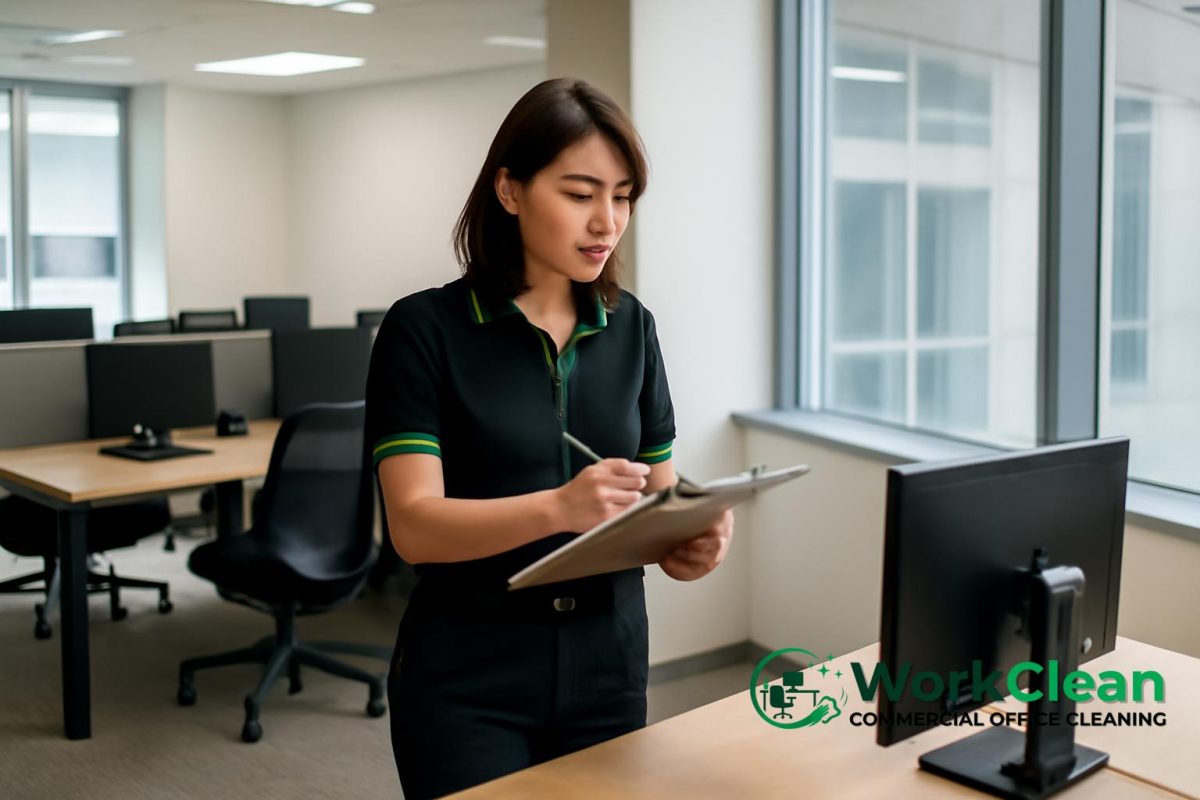
Open-plan layouts usually have more visible traffic, more shared touchpoints and fewer physical barriers between teams. Dust, crumbs, fingerprints and general clutter can spread quickly across workstations, circulation routes and collaboration zones. A cleaning plan for these spaces needs to focus on high-contact areas, daily upkeep and consistency, because one neglected area can affect the whole office’s appearance and hygiene.
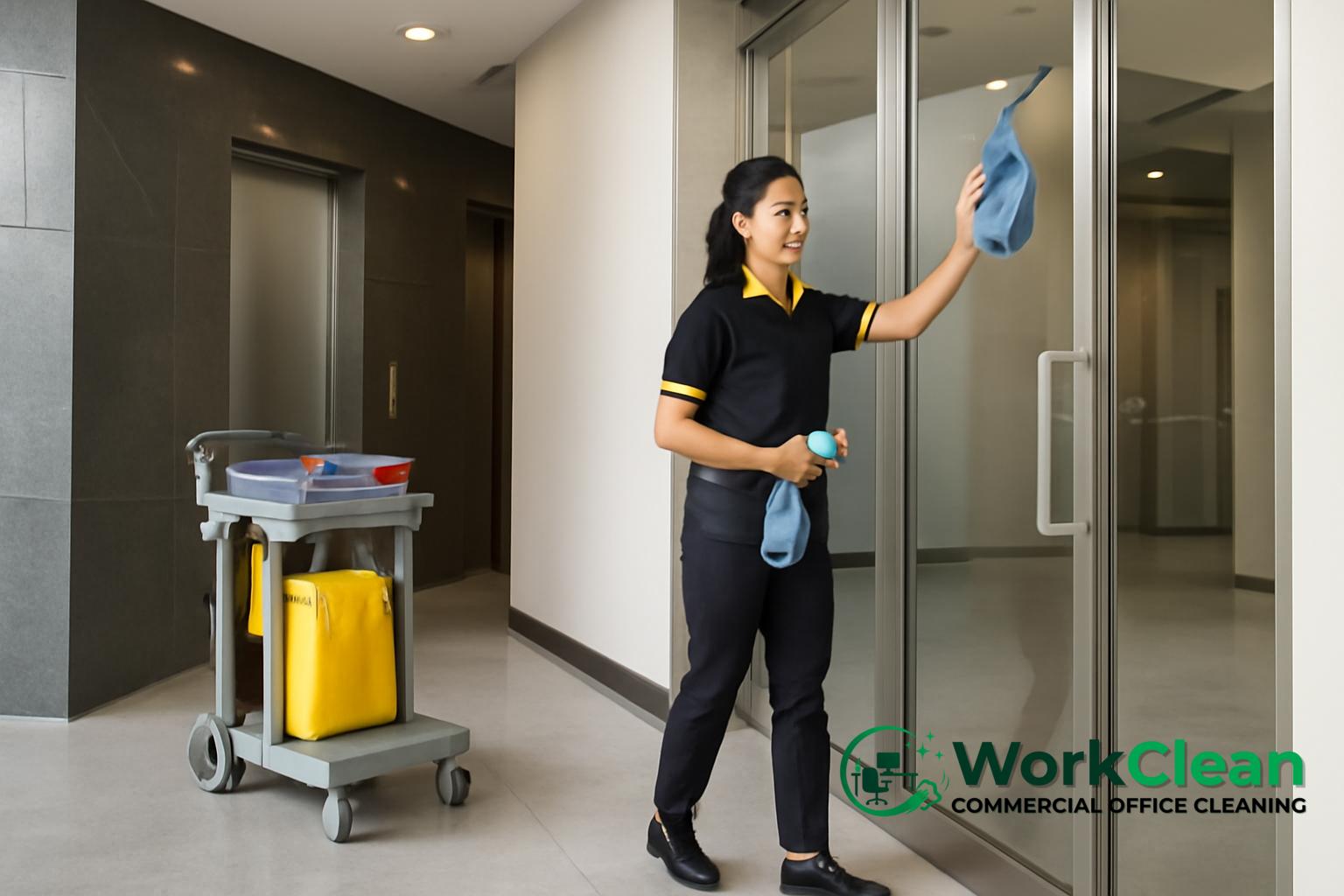
In practical terms, this often means paying closer attention to desks, shared printers, meeting tables, pantry counters, chair arms and door handles. It also means planning cleaning around working hours so that staff can continue using the space without disruption.
How smaller workplaces change the cleaning scope
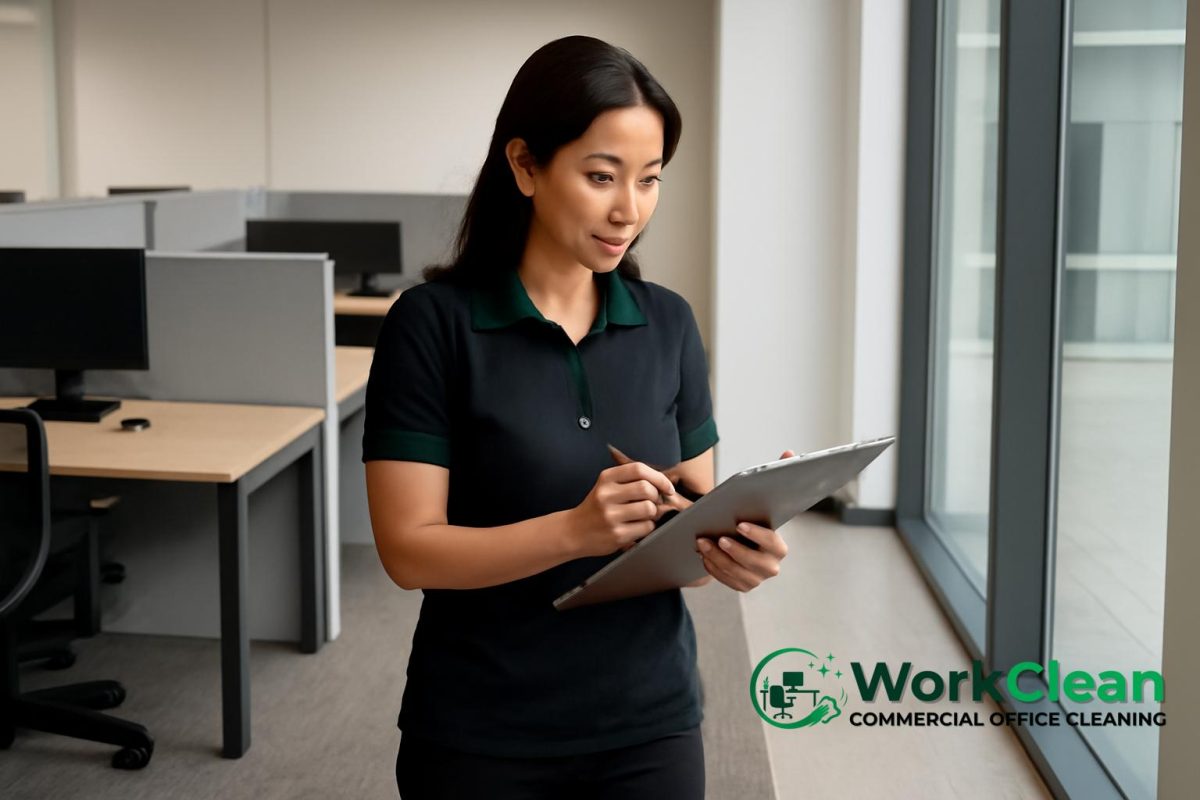
Smaller offices, startups and commercial units usually have fewer rooms, but that does not always make them easier to clean. In compact spaces, one pantry, one toilet or one meeting room may be used by everyone, so contamination and mess can build up quickly. The cleaning scope often needs to cover every area thoroughly rather than spreading effort across a larger floor area.
For smaller workplaces in Singapore, a sensible cleaning scope may include workstations, reception areas, meeting rooms, pantry surfaces, toilets, bins, floors and shared equipment. If the workplace also doubles as a customer-facing commercial premises, the reception and visitor areas may need more frequent attention to maintain a professional impression.
Which areas need the most attention day to day
The most important areas are usually the ones used by many people, touched often, or seen by visitors. These include:
- Workstations and desk surfaces
- Meeting rooms and conference tables
- Reception counters, waiting areas and display surfaces
- Pantries, sinks, taps and appliance touchpoints
- Toilets, including basins, flush handles and door hardware
- Shared spaces, such as printer corners and storage zones
Floor upkeep also matters, particularly in Singapore’s humid climate where dampness, dust and tracked-in dirt can affect cleanliness and safety. A good office cleaning routine should include vacuuming, mopping or spot cleaning as needed, along with attention to corners, skirting and under-desktop areas where debris can collect.
How cleaning frequency should be planned for busy offices
Cleaning frequency depends on occupancy, the number of shared surfaces, visitor traffic and how the workplace is used. A lightly occupied office may only need routine part time cleaning services on selected days, while a busy open-plan office or commercial premises may require daily cleaning with extra attention during peak periods.
In Singapore, many businesses prefer flexible arrangements rather than fixed full-day attendance. Part time office cleaning can be a practical option for smaller workplaces or companies that want cleaning support before work starts, after business hours or on specific weekdays. The right schedule should balance hygiene, cost and disruption.
It helps to review cleaning needs by zone. For example, toilets and pantries may need more frequent attention than storage rooms, while meeting rooms may need heavier cleaning after client visits or internal events.
DIY cleaning versus professional office cleaning
Some tasks can be handled internally, especially light tidying, desk decluttering or wiping a spill before it becomes a problem. However, DIY cleaning has limits. Staff are usually not equipped to maintain hygiene standards across the whole workplace, and ad hoc cleaning can be inconsistent when everyone is busy.
Professional commercial cleaning is more suitable when a workplace needs regular, documented routines and proper equipment. Vacuuming with suitable machines, floor care, toilet cleaning, bin management, upholstery cleaning and detailed surface cleaning are easier to standardise through an experienced office cleaning company. This is particularly important for offices with shared chairs, sofas, fabric panels or high-touch communal areas.
Equipment and methods that make a difference
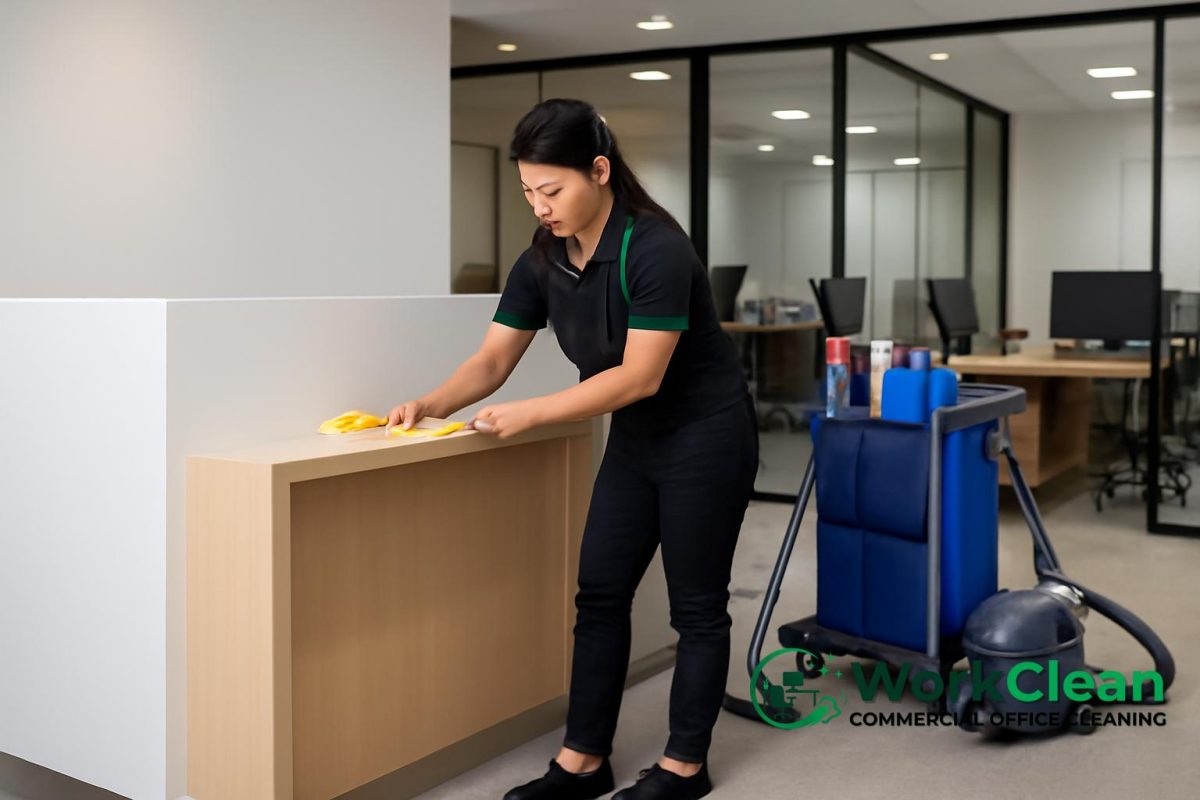
For open-plan offices and smaller workplaces alike, the right equipment helps improve both efficiency and hygiene. Microfibre cloths, appropriate disinfecting products, vacuum cleaners with effective filtration, mops suited to the floor type and safe cleaning agents all contribute to better results. In offices with upholstered furniture, office chair cleaning and office sofa cleaning may require specific methods to remove dust, spills and odours without damaging materials.
Cleaning methods should also match the office setup. For example, cable-heavy workstations need careful dusting rather than aggressive wiping, while polished reception surfaces may require streak-free finishing. In a compact workplace, cleaners must work efficiently around equipment, documents and shared devices without causing disruption.
Common mistakes businesses make with workplace cleaning
One of the most common mistakes is treating all offices the same. An open-plan office with many shared desks has very different needs from a small professional suite with a reception desk and one meeting room. Another mistake is focusing only on visible cleanliness while overlooking toilets, pantries, chair fabric, under-desk areas and shared touchpoints.
Businesses also sometimes under-specify the cleaning scope. If duties are not clearly set out, important tasks such as bin emptying, pantry cleaning or upholstery maintenance may be missed. Cost-cutting can create another issue: reducing cleaning too much may lower expenses in the short term, but it can also affect staff morale, visitor perception and workplace hygiene.
What affects the cost of office cleaning in Singapore
Cleaning costs are influenced by several practical factors: floor area, cleaning frequency, number of toilets, pantry usage, visitor traffic, furniture type and whether any additional services are needed. A workplace with fabric seating, multiple shared areas or frequent client visits may need a broader scope than a simple private office.
Part time arrangements are often a cost-conscious choice for smaller teams, but the cheapest option is not always the best value if it does not cover the areas that matter most. A clear scope, realistic schedule and transparent expectations usually produce better long-term results than trying to minimise every visit.
How to choose a suitable office or commercial cleaning provider
When selecting a commercial cleaning company in Singapore, it helps to look for practical fit rather than vague promises. Ask whether the provider understands your workplace type, whether they can clean around office hours, and whether they can adjust the scope for open-plan layouts, compact offices, co-working areas or commercial premises with visitor traffic.
It is also wise to check how the cleaning scope is described. A good proposal should explain what is included for workstations, meeting rooms, reception areas, pantries, toilets, floors and soft furnishings. The provider should be able to suggest a realistic frequency and a cleaning schedule that suits your operations, rather than forcing an unnecessarily large package.
If you would like a transparent quotation and a suitable office cleaning scope, frequency and schedule for your workplace, WhatsApp WorkClean Commercial Office Cleaning Singapore here: message us on WhatsApp.
Conclusion
Open-plan offices and smaller workplaces both benefit from cleaning plans that are tailored to how people use the space. The key is to match the scope, frequency and methods to the layout, the number of users and the level of visitor activity. When cleaning is well planned, it supports hygiene, preserves the office environment and helps create a more comfortable place to work and meet clients.
Choose WorkClean Commercial Office Cleaning Singapore
WorkClean Commercial Office Cleaning Singapore provides reliable office and commercial cleaning services for workplaces and suitable commercial premises that require consistent upkeep and organised cleaning support. As a professional office cleaning company in Singapore, we offer regular office cleaning, part-time office cleaning, part-time cleaning services and customised arrangements based on the size of the office, preferred schedule and required scope.
Our cleaning services for offices can cover workstations, meeting rooms, reception areas, pantries, toilets and shared spaces to help maintain a clean, presentable and comfortable working environment. Clients looking for a cleaner for their office, a part-time office cleaner or a dependable part-time cleaning company can engage us for practical and well-managed cleaning arrangements.
We also provide commercial cleaning services for suitable commercial premises across Singapore. As a commercial cleaning company, we can arrange a commercial office cleaning service together with general upkeep, upholstery cleaning, office chair cleaning and sofa cleaning according to the needs and condition of the premises. Clients can explore our blog for useful workplace cleaning information, view our completed projects or check our pricing for the different services available. Contact WorkClean Commercial Office Cleaning Singapore on WhatsApp at +65 8241 0032 to discuss your cleaning requirements and request a quotation.
Frequently Asked Questions
How often should an open-plan office be cleaned?
Most open-plan offices benefit from daily cleaning, especially when there are many shared desks, meeting rooms, toilets and pantry areas. Higher-traffic workplaces may need more frequent attention to maintain hygiene and presentation.
Is part time office cleaning suitable for a small workplace?
Yes, part time office cleaning is often suitable for smaller workplaces, startups and compact commercial premises. It can be arranged around operating hours and focused on the areas that need the most regular upkeep.
What should be included in a commercial cleaning scope for offices?
A practical scope usually includes workstations, meeting rooms, reception areas, pantries, toilets, shared spaces, floor upkeep and, where needed, upholstery cleaning for office chairs and sofas. The exact scope should reflect how the space is used.