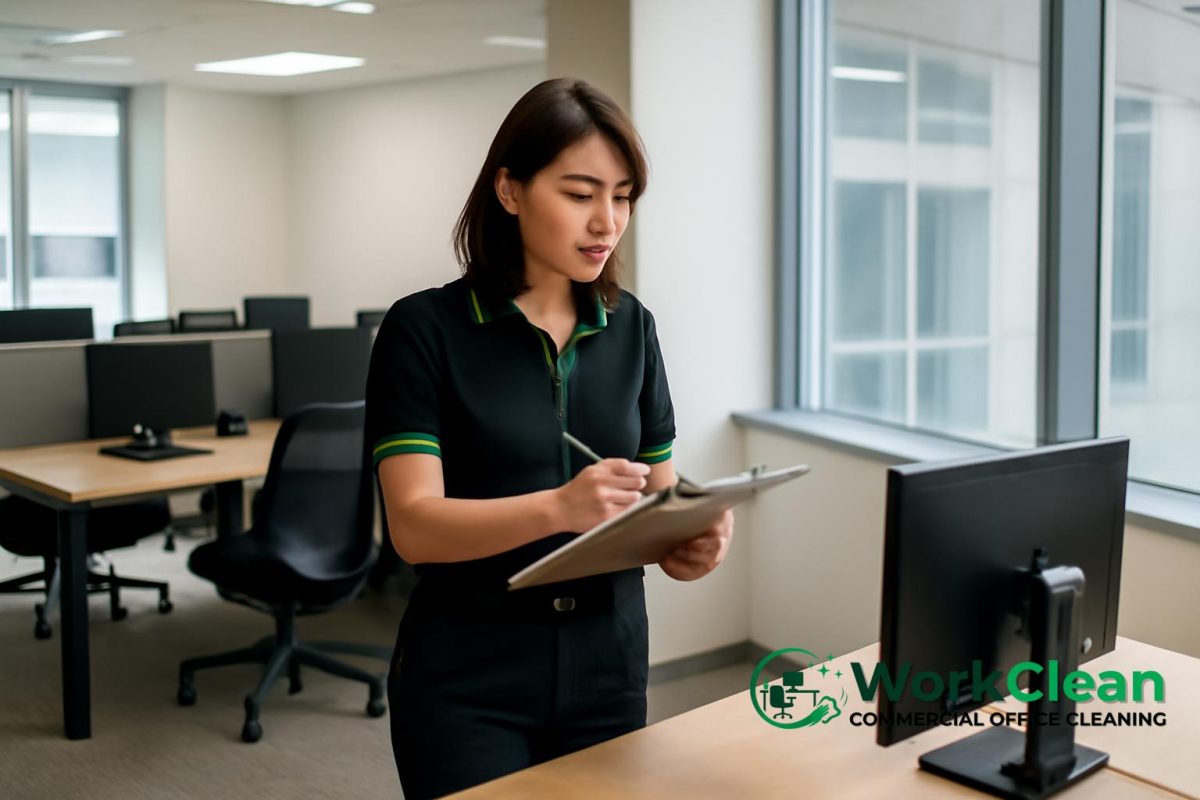
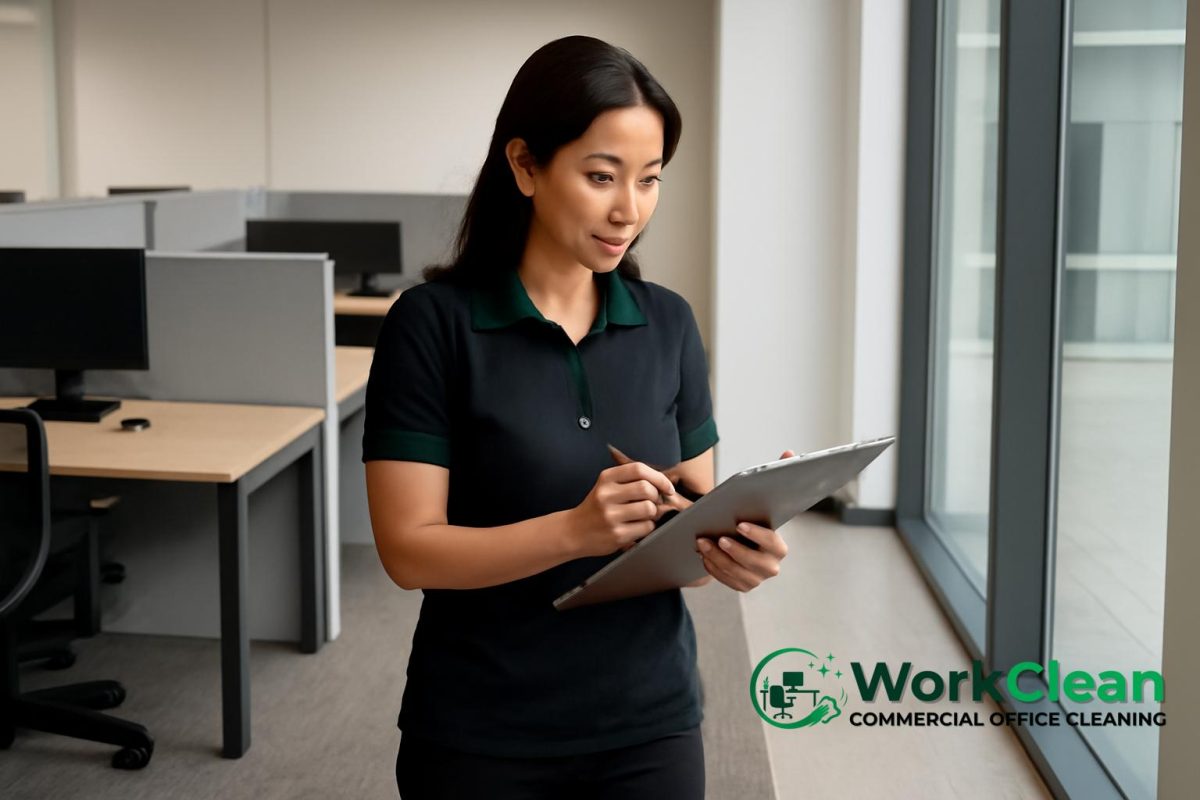
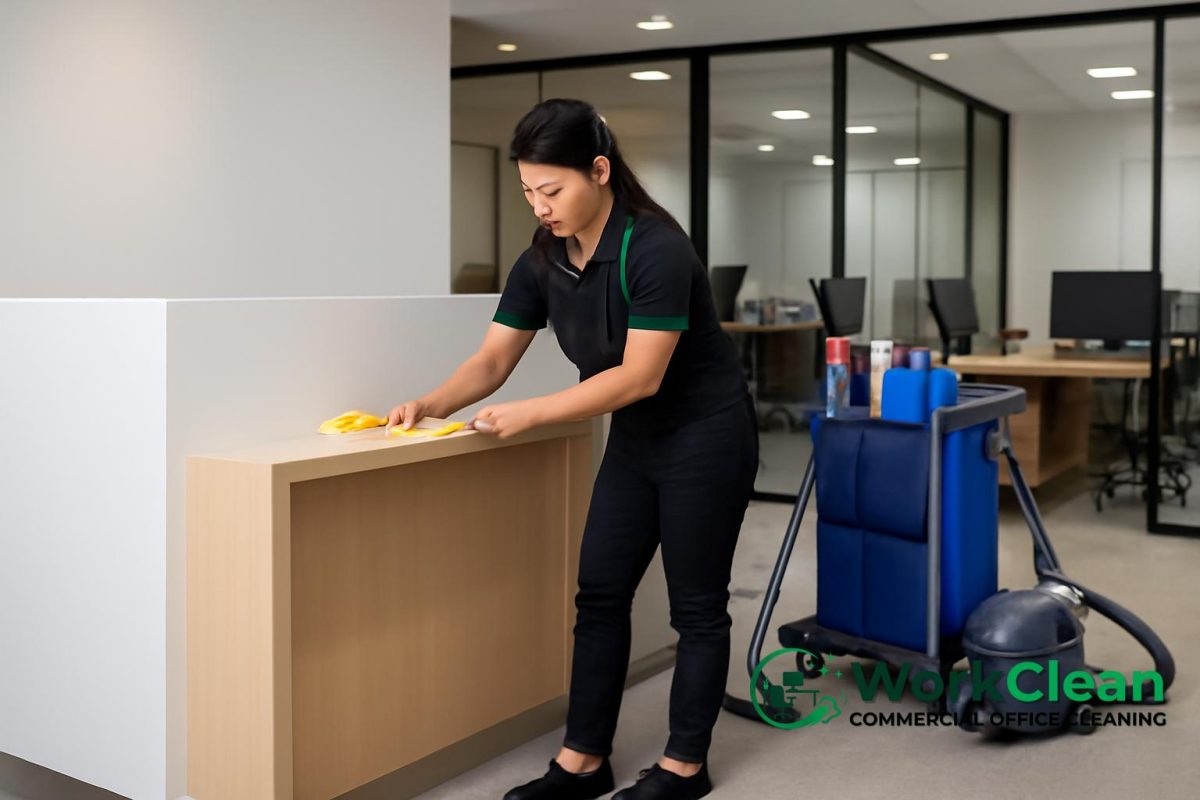
Shared areas are the most visible parts of any workplace, and they are also the easiest places for mess, germs and general wear to build up during the week. In Singapore offices and commercial premises, a sensible cleaning plan helps keep reception areas presentable, pantries usable, toilets hygienic, meeting rooms ready for visitors and common floors safe for daily traffic. The right approach is not just about looking tidy at the start of the week; it is about maintaining a consistent standard from Monday through Friday.
Why shared areas need ongoing attention during the week
Shared areas are used by many people, often several times a day. Unlike individual desks, these spaces are touched, walked through and used repeatedly by staff, visitors, vendors and cleaners. That means fingerprints on glass, crumbs in pantries, rubbish in bins, smudges on tables and moisture in toilets can appear quickly if cleaning is only done occasionally.
Regular attention also supports workplace hygiene and staff comfort. A clean reception gives visitors a good first impression, while tidy pantries and toilets reduce complaints and create a more pleasant working environment. For offices in Singapore, where humidity and foot traffic can make dirt and odours build up faster, commercial cleaning needs to be planned as a week-long routine rather than a one-off task.
What a practical weekly cleaning scope should cover
A good office cleaning scope should match how the premises are used. Shared areas usually include reception counters, waiting areas, meeting rooms, pantries, toilets, corridors, pantry sinks, lift lobbies within the tenancy, bin points and common walkways. Depending on the workplace, the scope may also include shared desks, collaboration tables, sofa seating, office chairs and upholstery cleaning for fabric surfaces that collect dust and stains over time.
For most Singapore workplaces, the scope should also include:
- Surface wiping for tables, counters, door handles and switches
- Dust removal from ledges, skirting and visible fixtures
- Floor upkeep such as sweeping, vacuuming and mopping
- Toilet cleaning and replenishment of hygiene supplies
- Pantry cleaning, including sinks, counter tops and microwave exteriors
- Waste collection and bin liner replacement
When these tasks are assigned clearly, the office cleaning company can work systematically through the week instead of reacting only after spaces become visibly dirty.
How cleaning frequency can be matched to traffic and usage
Not every shared area needs the same level of attention every day. The best schedule depends on the number of occupants, visitor flow, the nature of the business and how often each space is used. A busy reception area and toilets may need daily cleaning, while a meeting room used only a few times a week may need a lighter routine between sessions.
Many businesses in Singapore use customised cleaning schedules so that higher-traffic areas receive more frequent attention, while lower-use spaces are serviced at practical intervals. Part time office cleaning arrangements are often suitable when a workplace needs regular upkeep without a full-time cleaner on site. This can be useful for SMEs, startups, co-working spaces and commercial tenants that want flexibility across the working week.
A sensible pattern might look like this:
- Daily: toilets, pantries, reception, bin emptying, floors in high-traffic areas
- Mid-week: detailed dusting, meeting room reset, chair and sofa spot cleaning
- End of week: deeper floor upkeep, restocking checks, touchpoint review
The difference between DIY upkeep and professional cleaning
Internal staff can help keep shared areas orderly, but DIY cleaning usually covers only the basics. For example, team members may wipe a table after lunch or clear their own rubbish, yet they may not have the time, tools or training to clean toilets properly, remove embedded dirt from floors or maintain upholstery to a good standard. Over time, small shortcuts can create bigger hygiene and presentation problems.
Professional commercial cleaning is more effective for routine maintenance because cleaners follow a set scope, use suitable products and work to a consistent schedule. They are better equipped for tasks such as sanitising high-touch points, managing washroom hygiene, vacuuming fabric seating, treating stains on office chairs and keeping shared spaces ready for use throughout the week. For many businesses, a mixed approach works best: staff maintain day-to-day tidiness while a regular office cleaning service handles the more demanding tasks.
Cleaning equipment and methods that make a difference
The tools used in shared areas matter as much as the schedule. Microfibre cloths, vacuum cleaners with suitable attachments, mops for different floor types and safe cleaning solutions all help deliver a better result. In pantries and toilets, using separate cloths and equipment for different zones is important so that dirt is not moved from one area to another.
For upholstery and office chair cleaning, the method should suit the material. Fabric seating may need vacuuming, spot treatment and periodic deep cleaning, while leather or synthetic surfaces may need gentle wiping and conditioning. Hard floors may need more than a quick mop if they receive constant foot traffic. A professional office cleaning company should be able to advise on the correct method for each surface rather than using the same process everywhere.
Common mistakes that allow shared areas to deteriorate
One of the most common mistakes is cleaning only when a space looks dirty. By then, grime may already have settled into corners, bins may be full and toilets may be uncomfortable to use. Another mistake is giving all areas the same priority, even when some spaces are used much more often than others.
Other issues include using too much chemical product, skipping touchpoints such as door handles and switches, failing to replenish washroom supplies and overlooking soft furnishings. In Singapore workplaces, humidity and heavy indoor use can make these problems appear faster. A regular cleaning checklist helps prevent missed tasks and supports a more reliable standard across the week.
How to choose a suitable office or commercial cleaning provider
When selecting a commercial cleaning company, look for one that understands the way offices and shared spaces function. The provider should be able to explain the recommended cleaning scope, the likely frequency for each area and how the schedule can be adjusted for your premises. This is especially useful for businesses with a mix of workstations, meeting rooms, reception areas, toilets, pantries and shared lounges.
It is also worth asking practical questions about equipment, supervision of the cleaning scope, product suitability and how special tasks such as upholstery cleaning or sofa maintenance are handled. A clear service arrangement is more useful than vague promises. For part time cleaning services, the provider should outline exactly which tasks are included, how often they are carried out and what affects the overall cost.
In Singapore, cost factors usually include floor area, cleaning frequency, the number of shared spaces, the level of detailing needed and whether additional services such as office chair cleaning or deeper fabric care are required. A transparent quotation helps you compare options fairly and choose a plan that matches your workplace needs.
If you would like a transparent quotation and a suitable office cleaning scope, frequency and schedule for your workplace, WhatsApp WorkClean Commercial Office Cleaning Singapore here: message us on WhatsApp.
Conclusion
Maintaining shared areas throughout the working week is about consistency, not just appearance. With the right cleaning scope, sensible frequency and proper attention to high-traffic spaces, businesses can keep reception areas, meeting rooms, pantries, toilets and floors in better condition every day. A practical office cleaning arrangement supports hygiene, protects the workplace image and helps staff and visitors experience the space more comfortably.
Choose WorkClean Commercial Office Cleaning Singapore
WorkClean Commercial Office Cleaning Singapore provides reliable office and commercial cleaning services for workplaces and suitable commercial premises that require consistent upkeep and organised cleaning support. As a professional office cleaning company in Singapore, we offer regular office cleaning, part-time office cleaning, part-time cleaning services and customised arrangements based on the size of the office, preferred schedule and required scope.
Our cleaning services for offices can cover workstations, meeting rooms, reception areas, pantries, toilets and shared spaces to help maintain a clean, presentable and comfortable working environment. Clients looking for a cleaner for their office, a part-time office cleaner or a dependable part-time cleaning company can engage us for practical and well-managed cleaning arrangements.
We also provide commercial cleaning services for suitable commercial premises across Singapore. As a commercial cleaning company, we can arrange a commercial office cleaning service together with general upkeep, upholstery cleaning, office chair cleaning and sofa cleaning according to the needs and condition of the premises. Clients can explore our blog for useful workplace cleaning information, view our completed projects or check our pricing for the different services available. Contact WorkClean Commercial Office Cleaning Singapore on WhatsApp at +65 8241 0032 to discuss your cleaning requirements and request a quotation.
Frequently Asked Questions
How often should shared office areas be cleaned?
Most shared areas should be cleaned daily if they receive regular use, especially toilets, pantries, reception spaces and high-traffic floors. Lower-use rooms such as some meeting rooms may need lighter upkeep between bookings and more detailed cleaning on a scheduled basis.
Is part time office cleaning suitable for smaller workplaces?
Yes. Part time office cleaning is often a practical choice for SMEs, startups, co-working spaces and commercial tenants that want regular upkeep without a full-time cleaner. The schedule can be adjusted to match traffic, operating hours and the specific areas that need attention.
What should be included in a shared area cleaning scope?
A typical scope may include wiping touchpoints, emptying bins, floor upkeep, toilet cleaning, pantry cleaning, dusting visible surfaces and maintaining seating areas. Depending on the premises, it may also include upholstery cleaning, office chair cleaning and office sofa cleaning.