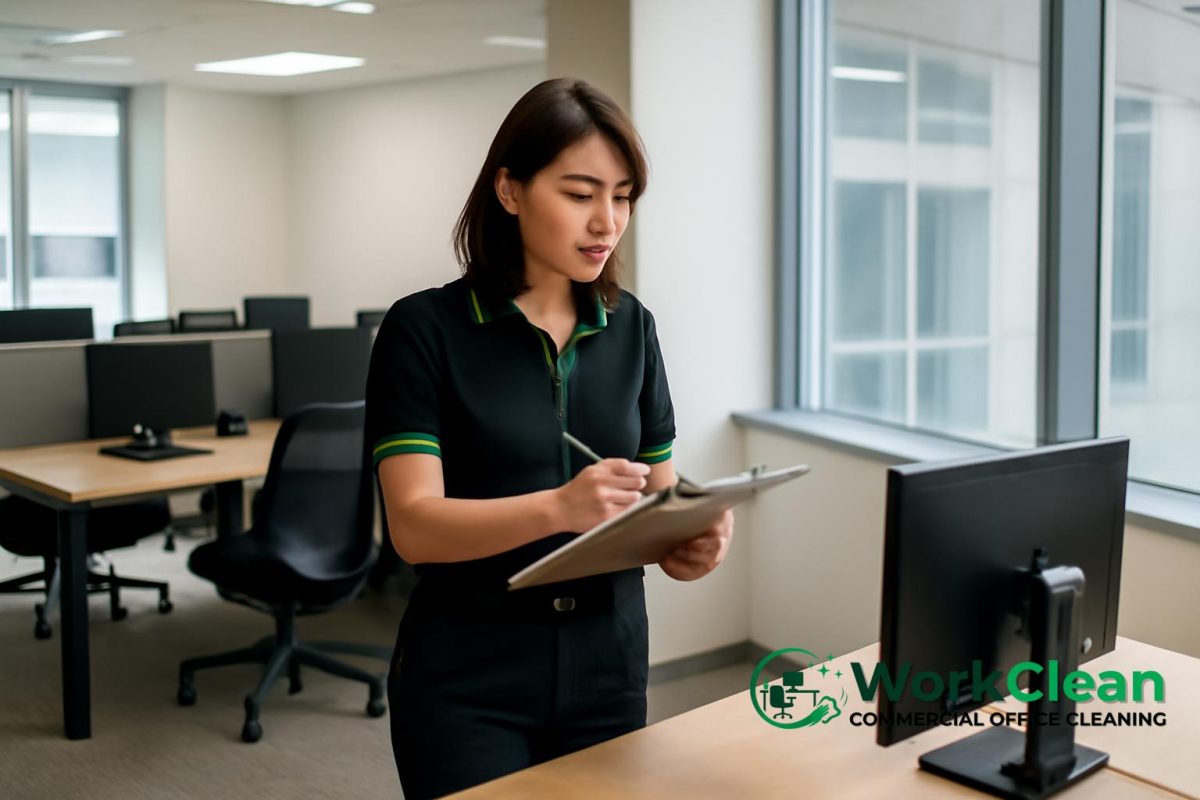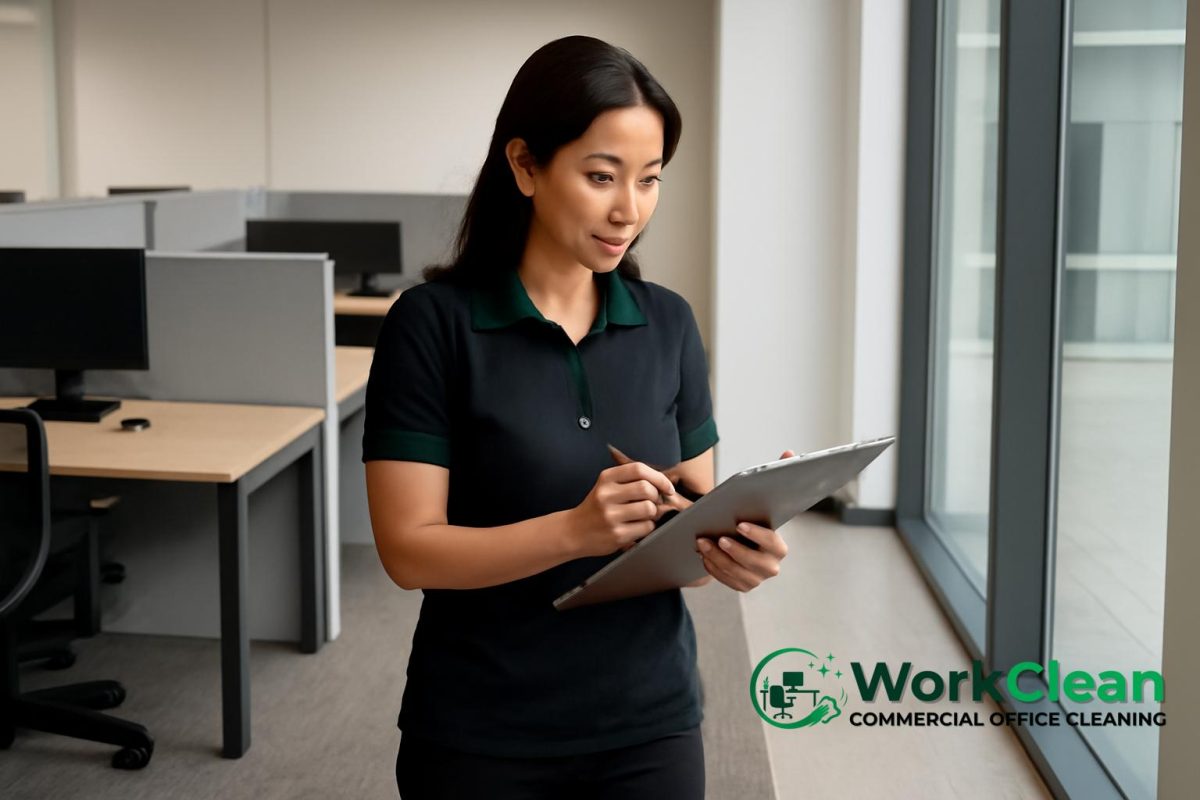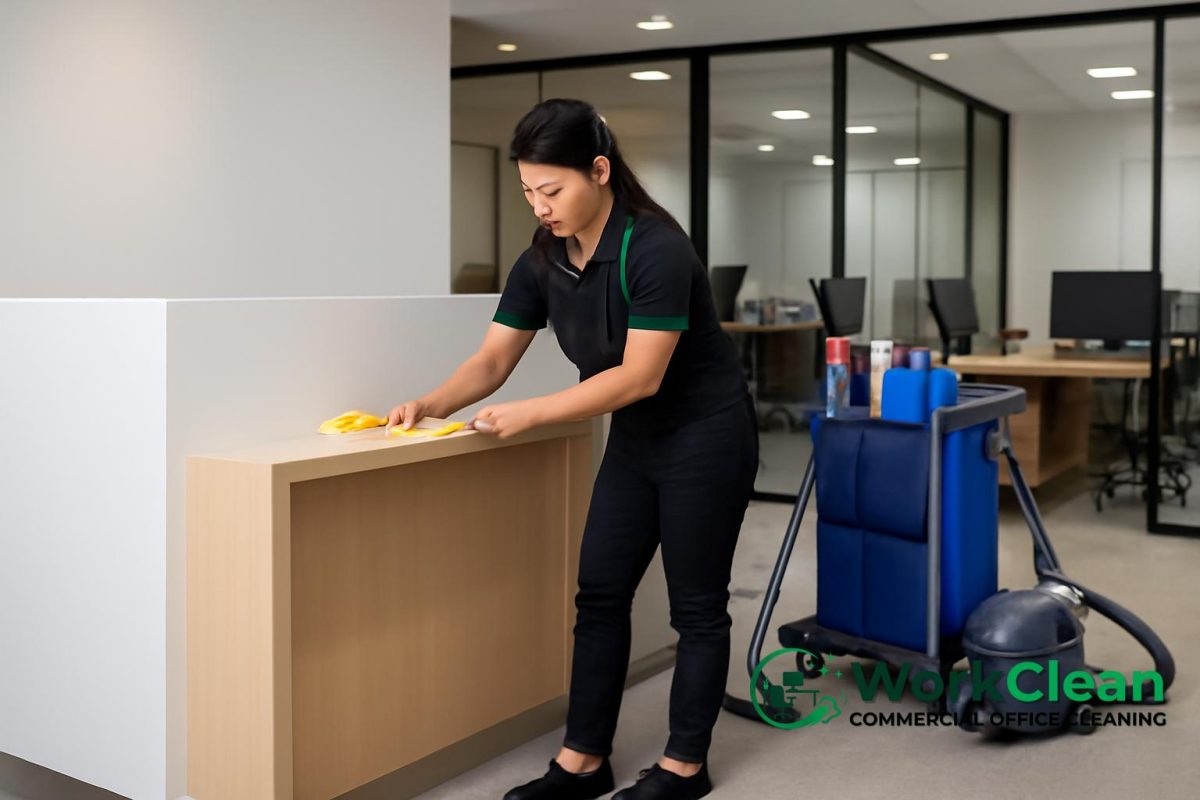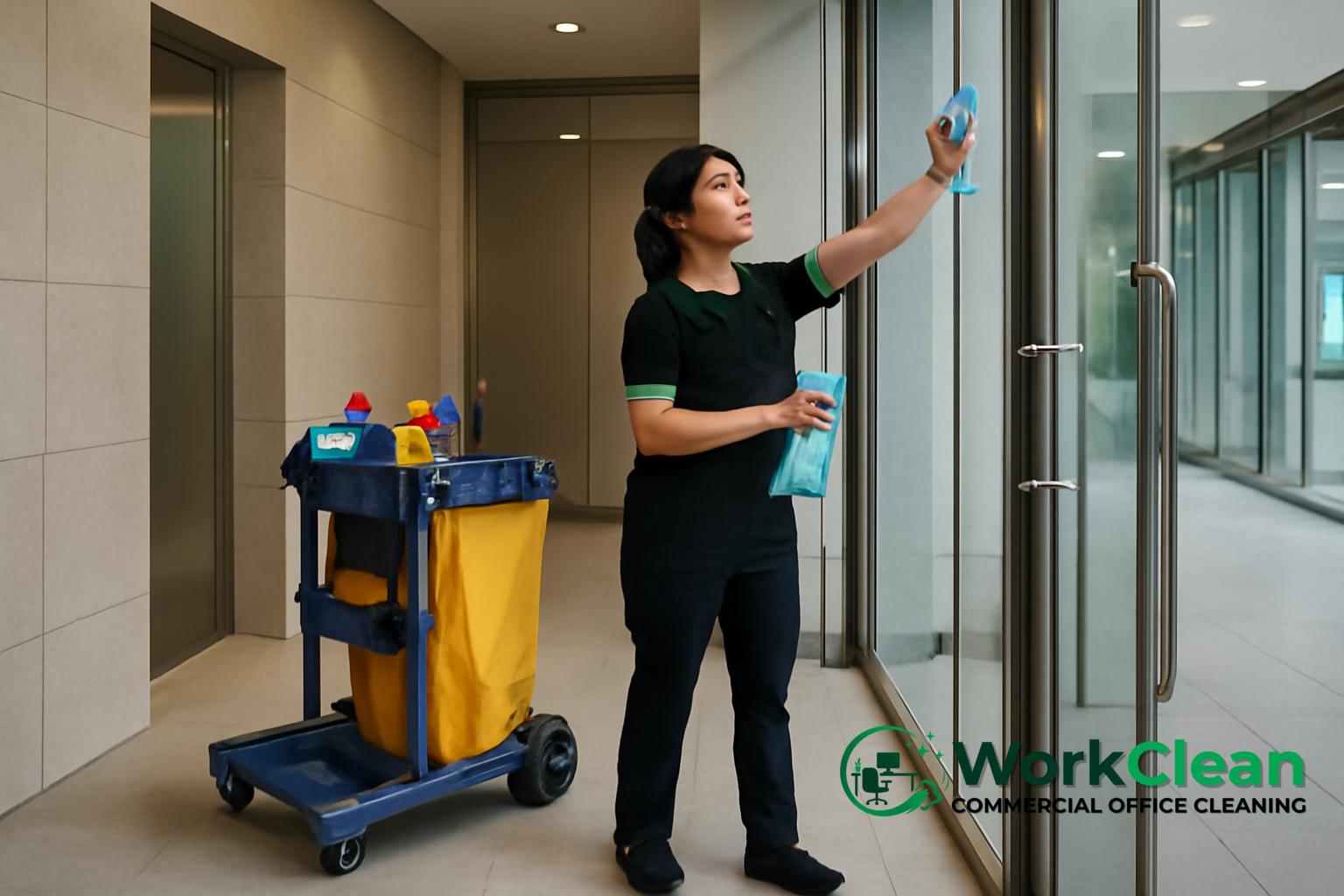
A workplace can look neat at first glance while still harbouring dust, germs, odours and hidden build-up in the places people touch every day. That is why regular commercial cleaning matters even when an office appears clean: the visible surface is only part of the hygiene picture. In Singapore, where offices, co-working spaces and commercial premises operate in busy, shared environments, routine cleaning helps protect staff wellbeing, support productivity and keep the workplace presentable for clients and visitors.
Why a visibly tidy office is not always a hygienic one
Many of the dirtiest areas in a workplace are the ones people do not inspect closely. Desk edges, keyboard areas, chair arms, pantry handles, toilet fixtures, light switches and meeting room tables can collect oils, dust and bacteria even if the floor is swept and the reception looks orderly. Over time, these small deposits can affect how clean the office truly feels and how long surfaces stay in good condition.
In commercial cleaning, “clean enough to see” is not the same as “clean enough to use daily”. Regular cleaning reaches the details that daily tidying often misses, including hidden dust along skirting boards, under furniture, around bin areas and inside shared spaces. This is especially important in busy Singapore workplaces where air-conditioning, foot traffic and shared facilities can quickly spread dust and debris.
Health, hygiene and fewer workplace disruptions
Regular office cleaning supports a healthier environment by reducing the build-up of dust, dirt and germs on high-touch surfaces. This matters in workstations, meeting rooms, reception areas, pantries and toilets, where many people interact with the same fixtures throughout the day. Cleaner touchpoints can help reduce unpleasant odours, sticky residues and the sense that the workplace has been neglected.
Good hygiene also helps lower avoidable disruptions. When cleaning is irregular, issues such as blocked bins, stained pantry counters, toilet odours or dusty air vents can become more difficult and time-consuming to address. A consistent schedule keeps these problems small and manageable, rather than allowing them to become recurring complaints from employees or tenants.
How regular cleaning supports productivity and workplace morale
A well-maintained workspace can influence how people feel about their job and their surroundings. Staff are more likely to focus on their work when desks, meeting rooms and shared areas are orderly and comfortable to use. A clean environment also gives visitors and clients a better impression of professionalism, which matters for offices, retail-adjacent premises and co-working spaces alike.
Cleaning is not only about appearance; it also affects routine efficiency. When reception areas are free from clutter, pantries are maintained properly and toilets are serviced regularly, employees spend less time dealing with avoidable hygiene issues. That helps office managers and administrative teams keep the workplace running smoothly without constant reactive clean-ups.
The spaces that need regular attention in offices and commercial premises
Different parts of the workplace need different cleaning priorities. Workstations often require dusting, surface wiping and careful attention to shared equipment. Meeting rooms need tables, chairs and door handles cleaned regularly, especially where clients or external guests are present. Reception areas should stay neat and dust-free because they shape first impressions immediately.
Pantries and toilets deserve particular attention because they are high-use shared spaces. Floors, sinks, taps, counters, bin points and rest areas can build up grime quickly if service is not frequent enough. Shared spaces such as corridors, pantry corners, storage areas and breakout zones also need general floor upkeep and regular debris removal so that the premises remain safe and presentable.
Upholstery is another overlooked area. Office chairs, sofas and fabric surfaces can trap dust, spills and odours that are not addressed by simple surface wiping. Depending on the material and use level, periodic upholstery cleaning and office chair cleaning can help extend the life of these furnishings while improving comfort for staff and guests.
Why schedule matters more than occasional deep cleaning
Some workplaces rely too heavily on ad hoc cleaning only when something looks dirty. That approach often means grime has already settled, stains have had time to set, and toilets or pantry areas have become harder to maintain. Regular commercial cleaning works better because it prevents build-up before it becomes visible or difficult to remove.
For many Singapore offices, a part time cleaning arrangement or a customised schedule is more practical than a one-off service. The right frequency depends on staff headcount, visitor traffic, pantry usage, toilet usage and the type of business activity on site. Small offices may need less frequent attendance, while busy commercial tenants and shared workspaces often need more consistent upkeep.
DIY cleaning versus professional office cleaning
Internal tidying can help maintain order between scheduled services, but it usually cannot replace professional cleaning. Staff may wipe desks or clear rubbish, yet they are unlikely to have the time, equipment or cleaning processes needed for deeper hygiene tasks. Professional cleaning teams are better suited to handle floor maintenance, toilet servicing, pantry sanitation and upholstery care on a regular basis.
The difference also comes down to consistency and standards. A workplace may appear fine after a quick internal tidy, but professional office cleaning typically follows a more complete scope that covers visible and hidden problem areas. Using the right tools, microfibre materials, neutral cleaners and suitable methods for different surfaces helps reduce wear while improving overall cleanliness.
Common mistakes businesses make with cleaning arrangements
One common mistake is choosing a cleaning frequency that is too low for the actual usage of the premises. Another is focusing only on visible areas and overlooking toilets, pantry surfaces, shared chairs, meeting rooms and under-desk zones. Offices also sometimes forget to review their cleaning scope as the team grows or the layout changes.
Other mistakes include using the wrong products on upholstery or furniture, failing to separate daily tidying from periodic deep cleaning, and assuming a low-cost arrangement will automatically be cost-effective. In reality, the right service should balance budget, cleaning scope, frequency and the needs of the workplace rather than relying on a generic checklist.
What to look for in a suitable cleaning provider
When choosing an office cleaning company or commercial cleaning company in Singapore, it helps to look for a provider that can explain the cleaning scope clearly and match it to your workplace. Ask how they handle workstations, meeting rooms, reception areas, toilets, pantries, shared areas, floors and upholstery. A practical provider should also be able to suggest whether a regular office cleaning service or a part time arrangement is more suitable.
You should also compare how the provider structures its schedule, what type of cleaning equipment it uses and whether the service can be customised for your premises. Cost factors usually include floor area, number of toilets, usage intensity, cleaning frequency and any extra tasks such as office chair cleaning or sofa cleaning. Transparent quoting is important because it helps you understand what is included and avoid gaps in coverage.
If you are reviewing your current office cleaning setup, you may want to WhatsApp WorkClean Commercial Office Cleaning Singapore for a transparent quotation and a suitable cleaning scope, frequency and schedule: message us here.
Conclusion
Regular commercial cleaning is important because cleanliness is about more than what the eye can see. Dust, germs, odours and wear build up gradually in workstations, meeting rooms, reception areas, pantries, toilets, shared spaces, floors and upholstered furniture. A well-planned cleaning schedule helps protect health, improve productivity and keep the workplace consistently presentable.
For Singapore offices and commercial premises, the most practical approach is usually a cleaning arrangement that matches actual usage rather than relying on occasional fixes. With the right scope and frequency, regular cleaning becomes a simple but essential part of maintaining a workplace that feels professional, comfortable and well cared for.
Choose WorkClean Commercial Office Cleaning Singapore
WorkClean Commercial Office Cleaning Singapore provides reliable office and commercial cleaning services for workplaces and suitable commercial premises that require consistent upkeep and organised cleaning support. As a professional office cleaning company in Singapore, we offer regular office cleaning, part-time office cleaning, part-time cleaning services and customised arrangements based on the size of the office, preferred schedule and required scope.
Our cleaning services for offices can cover workstations, meeting rooms, reception areas, pantries, toilets and shared spaces to help maintain a clean, presentable and comfortable working environment. Clients looking for a cleaner for their office, a part-time office cleaner or a dependable part-time cleaning company can engage us for practical and well-managed cleaning arrangements.
We also provide commercial cleaning services for suitable commercial premises across Singapore. As a commercial cleaning company, we can arrange a commercial office cleaning service together with general upkeep, upholstery cleaning, office chair cleaning and sofa cleaning according to the needs and condition of the premises. Clients can explore our blog for useful workplace cleaning information, view our completed projects or check our pricing for the different services available. Contact WorkClean Commercial Office Cleaning Singapore on WhatsApp at +65 8241 0032 to discuss your cleaning requirements and request a quotation.
Frequently Asked Questions
How often should an office in Singapore arrange regular cleaning?
The right frequency depends on staff numbers, visitor traffic, toilet usage, pantry activity and the size of the premises. Smaller offices may manage with part time cleaning on selected days, while busier workplaces often need more regular attendance to keep shared areas and touchpoints in good condition.
What areas are most important in a commercial cleaning schedule?
High-use areas usually deserve the most attention, including workstations, meeting rooms, reception areas, pantries, toilets, floors and shared spaces. Upholstery such as office chairs and sofas may also need periodic cleaning depending on use and material type.
Is professional office cleaning still useful if staff already tidy their desks?
Yes. Staff tidying helps with daily order, but professional cleaning covers deeper hygiene tasks and areas that are often missed, such as under furniture, around fixtures, pantry surfaces, toilet fittings and fabric furnishings. It is best viewed as a complementary service rather than a replacement.