A detailed commercial cleaning checklist does more than keep an office looking neat. In Singapore workplaces, it helps maintain hygiene, reduce clutter, support productivity and create a better experience for staff, clients and visitors. Whether the space is a small office, shared workspace, commercial unit or multi-room premises, a well-planned cleaning scope should cover every area that people touch, use and gather in throughout the day.
Reception areas that create the first impression
The reception is often the first point of contact for visitors, so it should be clean, organised and free from visual distractions. A proper checklist usually includes dusting the reception desk, wiping down counters, cleaning glass surfaces, removing marks from doors and polishing visible fixtures. Floors at the entrance should also be swept, vacuumed or mopped, especially where foot traffic brings in dust and moisture from outside.
Seating in the waiting area should not be overlooked. Chairs, sofas and side tables collect fingerprints, crumbs and dust quickly, so routine upkeep matters. For offices that receive frequent visitors, commercial cleaning schedules may also include more regular upholstery cleaning and office sofa cleaning to maintain a presentable, professional look.
Workstations and shared desks need routine attention
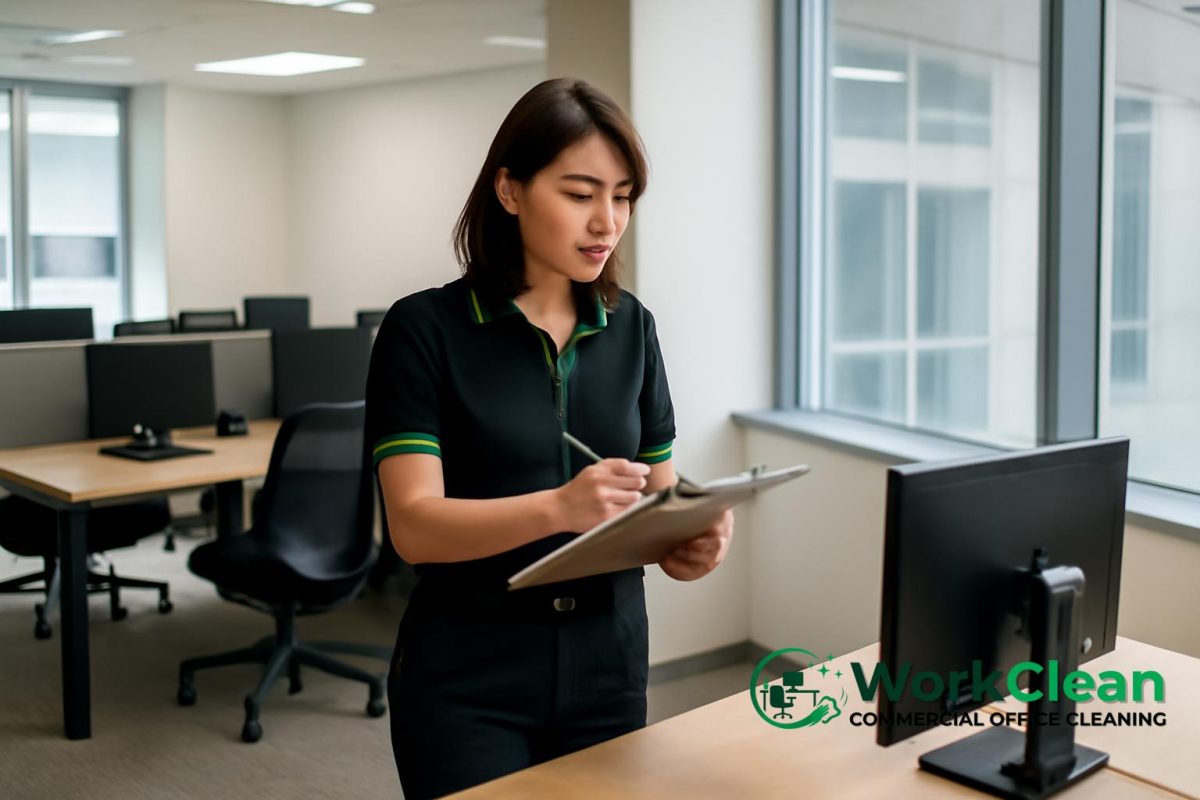
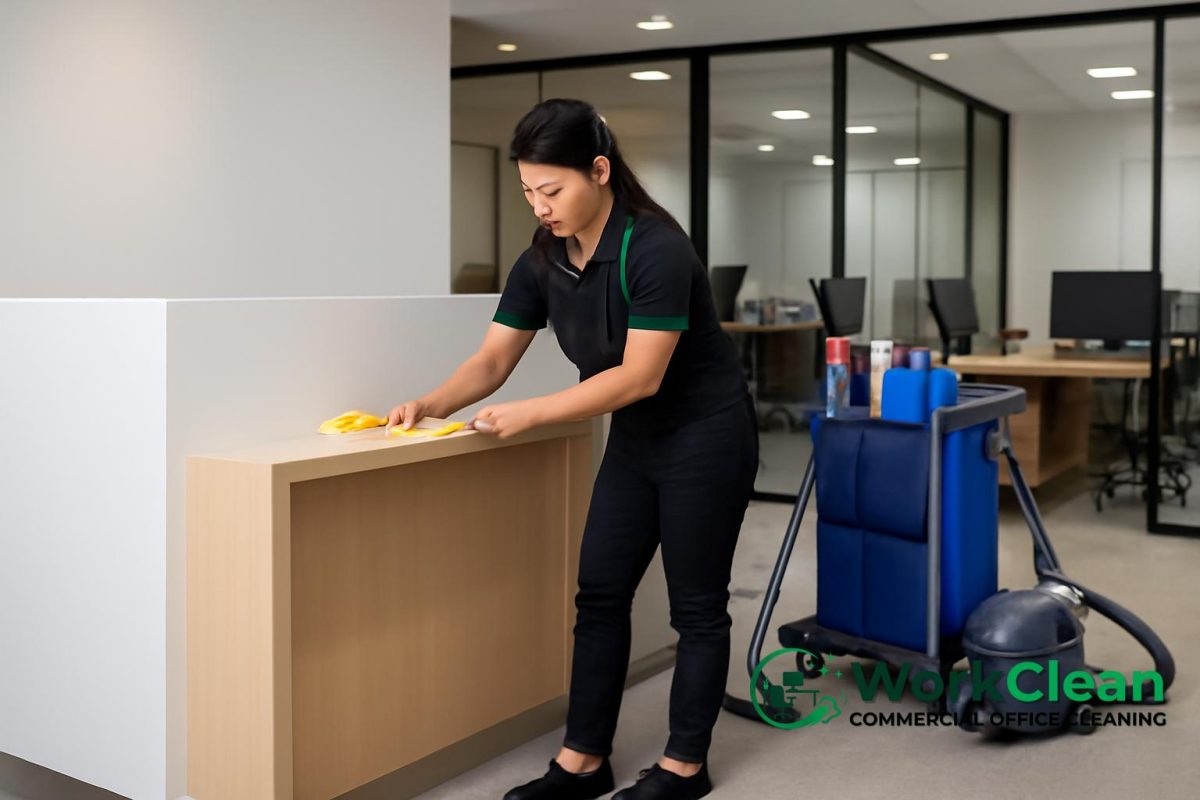
Workstations are among the most used areas in any office, which means they need a careful but practical cleaning approach. A detailed checklist normally covers dusting desk surfaces, wiping monitors and surrounding areas where appropriate, cleaning chair arms, sanitising high-touch points such as phones and drawer handles, and clearing visible debris. Shared workstations may need extra attention because different users increase the spread of dust and germs.
For office cleaning in Singapore, it is important to balance cleanliness with care for equipment. Cleaning staff should know which surfaces can be damp-wiped and which require gentler methods. Some businesses prefer part time office cleaning arrangements for day-to-day upkeep, while others combine regular office cleaning services with periodic deep cleaning for higher-traffic areas.
Meeting rooms should stay ready for daily use
Meeting rooms often need to be presentable at short notice, especially in client-facing businesses. A commercial cleaning checklist should include wiping tables, cleaning chairs, removing dust from ledges and ensuring whiteboards, glass panels and other visible surfaces are tidy. Vacuuming or mopping floors is also essential, particularly if meetings involve food or drinks.
It is easy to forget the small details in meeting rooms, such as cables, remote controls, presentation equipment surrounds and under-table areas. These spaces may not look dirty at a glance, but they collect dust and crumbs over time. A good office cleaning company will factor these tasks into a customised cleaning schedule rather than treating every room the same way.
Pantry cleaning supports hygiene and morale
The pantry is one of the most important spaces in a workplace cleaning checklist because food handling makes hygiene standards especially relevant. Typical tasks include wiping countertops, cleaning sink areas, disinfecting taps and handles, removing stains from tables and clearing microwave exteriors and fridge doors. Floors should be cleaned thoroughly, particularly around preparation and bin areas where spills are more likely.
Bin management is another key part of pantry upkeep. Waste should be removed before odours build up, and recyclables should be handled according to the office’s waste arrangement. A clean pantry does more than prevent pest issues; it also gives staff a more pleasant place to take breaks, which can support morale in busy Singapore workplaces.
Toilets and washrooms require strict consistency
Toilets are among the most sensitive areas in any commercial premises, so the checklist must be precise and consistent. Standard tasks include cleaning and disinfecting toilets, sinks, taps, mirrors, partitions, handles and flush controls, as well as replenishing consumables where part of the service scope. Floors should be mopped carefully, and corners, drains and hard-to-reach spots should not be ignored.
Because toilet use is frequent, regular cleaning frequency matters more here than in many other areas. Some offices may need multiple visits a day, while others can manage with a simpler schedule. The right commercial cleaning arrangement depends on headcount, visitor volume and the type of premises. In all cases, a transparent checklist helps set clear expectations for maintenance standards.
Floors, corridors and shared spaces need ongoing upkeep
General floor care is a core part of commercial cleaning because dirt spreads easily through corridors, lift lobbies and open-plan spaces. Depending on the surface, this may involve vacuuming carpets, sweeping and mopping hard floors, spot-cleaning stains and removing marks from skirting or edges. Shared areas such as printer corners, storage zones and internal walkways should be included as well.
These areas are often underestimated until they become visibly untidy. However, floor maintenance has a real impact on safety and appearance, especially in Singapore where humidity, rain and outdoor dust can quickly affect indoor cleanliness. A thorough office cleaning checklist should be practical enough to maintain daily standards without disrupting business operations.
High-touch surfaces and office furniture should not be missed
A detailed checklist pays attention to the surfaces people touch repeatedly throughout the day. This usually includes light switches, door handles, lift buttons, table edges, handrails, shared equipment and pantry touchpoints. These spots may not appear dirty, but they are central to workplace hygiene and should be cleaned consistently.
Office furniture also deserves proper care. Office chair cleaning and office sofa cleaning may be included as part of a broader commercial cleaning scope, particularly where fabric or upholstered surfaces collect dust, stains or odours. Upholstery cleaning can be scheduled periodically rather than daily, but it is an important part of keeping the workplace comfortable and professional.
DIY cleaning versus professional office cleaning
Some businesses handle light tidying internally, while others rely on part time cleaning services or a commercial cleaning company for more structured support. DIY cleaning can work for simple tasks such as clearing desks, wiping obvious spills and keeping shared spaces orderly. However, it often falls short when the office needs consistent attention across toilets, pantries, floors and upholstered furniture.
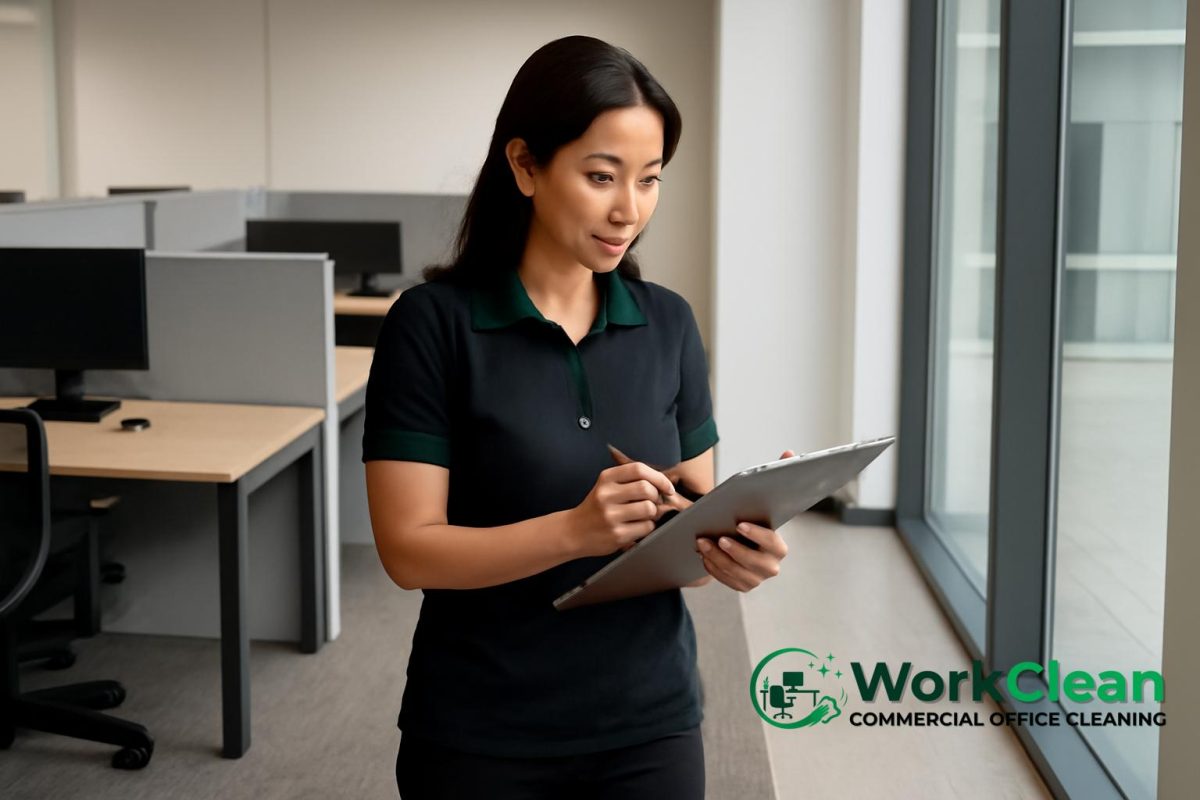
Professional office cleaning services bring a more systematic approach. They usually work to a scope, schedule and checklist that aligns with the size and use of the premises. This is especially useful for SMEs, startups and co-working spaces that need flexibility without losing standards. In practice, the best arrangement often combines staff cooperation with a reliable cleaning plan.
What affects the cost and scope of a cleaning checklist
The cost of office cleaning in Singapore is influenced by several practical factors, including office size, number of rooms, cleaning frequency, service hours, toilet count, pantry use and whether specialised tasks such as upholstery cleaning are included. A larger or busier workplace naturally needs more time and a broader scope than a small office with light daily use.
It also helps to compare what is included in the service, not only the price. A lower quotation may leave out important areas such as meeting rooms, pantries or office chair cleaning. When choosing an office cleaning company, look for clarity in the scope, realistic timing and a schedule that matches how your business actually operates.
If you are reviewing your current cleaning scope, you can WhatsApp WorkClean Commercial Office Cleaning Singapore for a transparent quotation and a suitable office or commercial cleaning schedule: message us here.
Conclusion
A detailed commercial cleaning checklist should cover every practical part of the workplace, from reception and workstations to pantries, toilets and shared areas. When the scope is clear, cleaning becomes easier to manage, standards are more consistent and the office stays more welcoming for staff and visitors. For Singapore businesses, the most effective approach is usually a cleaning plan that matches the premises, usage patterns and service frequency rather than a one-size-fits-all routine.
Choose WorkClean Commercial Office Cleaning Singapore
WorkClean Commercial Office Cleaning Singapore supports workplaces across Singapore with dependable and flexible office and commercial cleaning services. Our office cleaning arrangements include regular office cleaning, part-time office cleaning, part-time cleaning services and customised schedules for clients who require support with office upkeep without managing an in-house cleaning team. As an office cleaning company, we focus on key workplace areas such as workstations, meeting rooms, reception areas, pantries, toilets and common spaces. Whether you need a part-time office cleaner or a part-time cleaning company, we can recommend a suitable arrangement based on your premises, preferred timing and cleaning scope.
For broader commercial requirements, we also provide commercial cleaning services for different types of commercial premises. As a commercial cleaning company, we offer commercial office cleaning services together with general upkeep, upholstery cleaning, office chair cleaning and sofa cleaning where suitable.
Clients can read our blog for workplace cleaning insights, review our completed projects or check our pricing for available cleaning options. Contact WorkClean Commercial Office Cleaning Singapore on WhatsApp at +65 8241 0032 for assistance or to request a quotation.
Frequently Asked Questions
What areas should always be included in an office cleaning checklist?
At minimum, the checklist should include reception areas, workstations, meeting rooms, pantries, toilets, floors and shared spaces. High-touch surfaces and furniture should also be covered to support hygiene and presentation.
How often should commercial cleaning be carried out in an office?
The right frequency depends on office size, staff count, visitor traffic and how often shared areas are used. Many workplaces need daily cleaning for basic upkeep, while toilets, pantries and high-touch surfaces may need more frequent attention.
Is part time office cleaning suitable for smaller businesses?
Yes, part time office cleaning can be a practical option for SMEs, startups and smaller commercial premises that need regular upkeep without a full-time arrangement. It works best when the scope and timing are clearly defined.