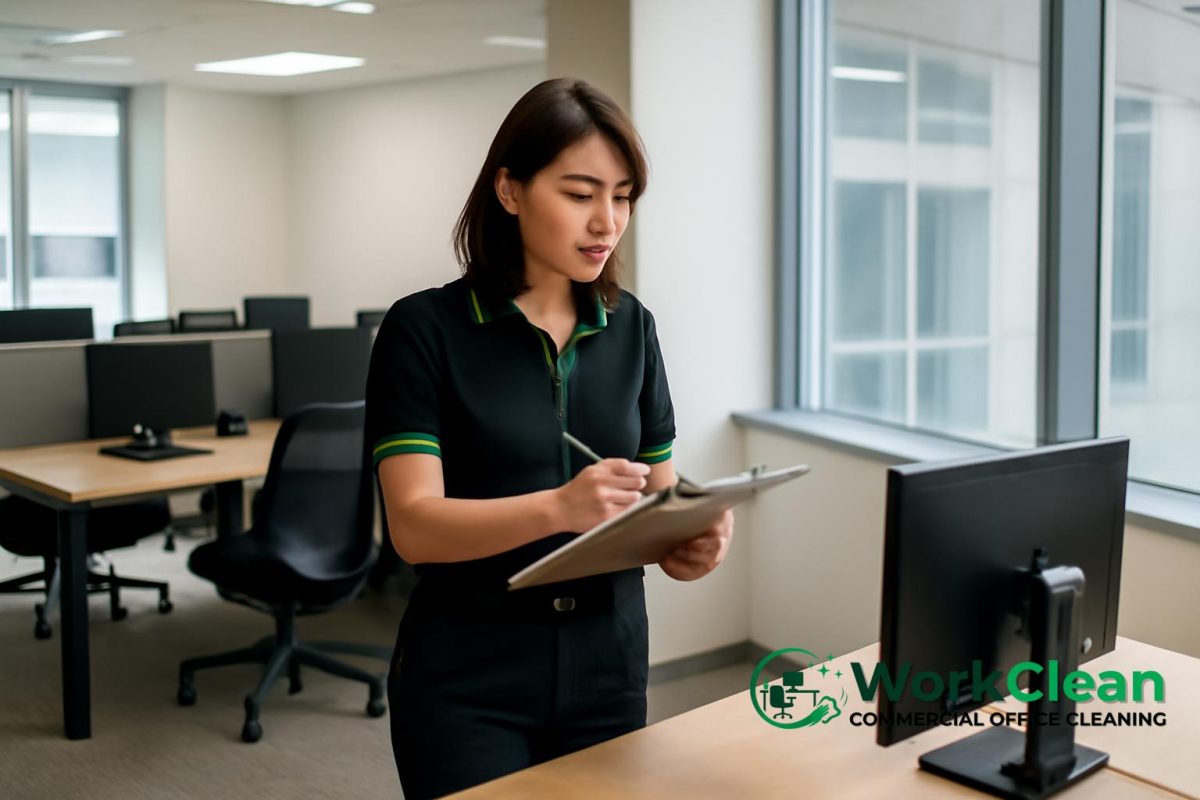
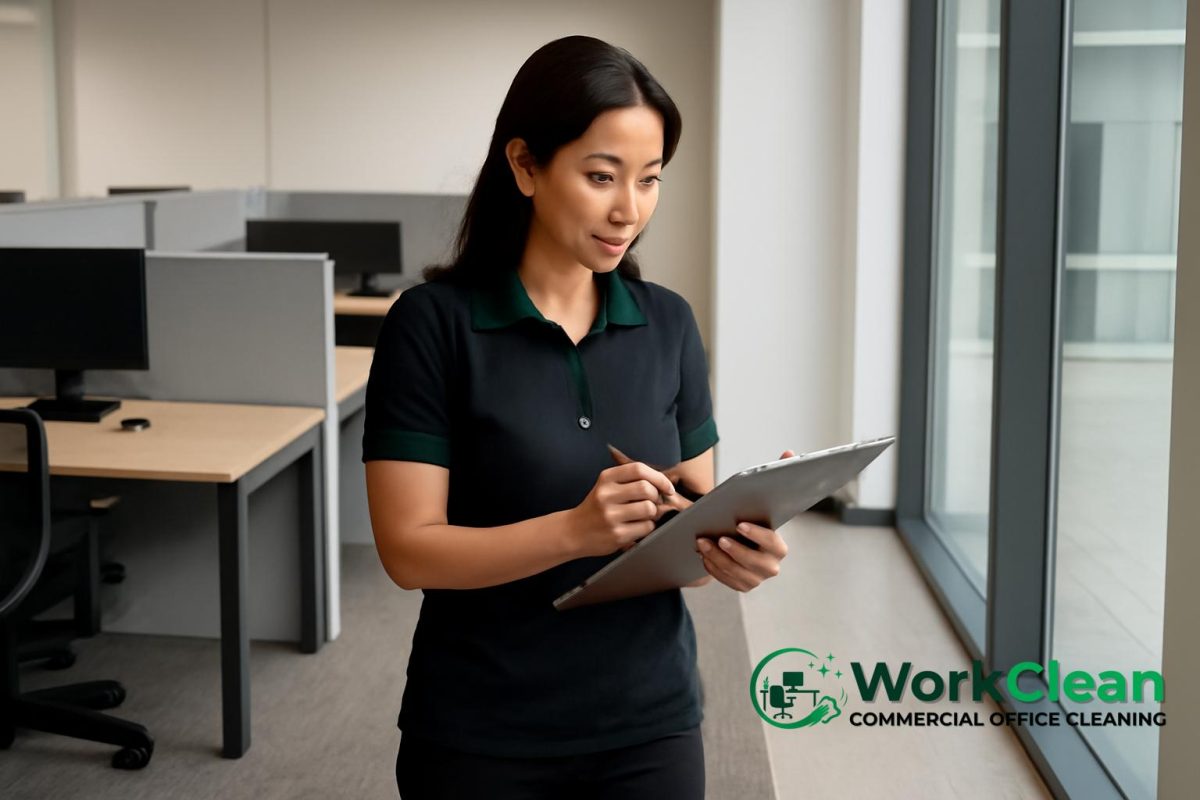
Meeting and conference rooms are often where important decisions are made, clients are hosted, and team discussions take place. Because these rooms see frequent use, office cleaning must be carried out carefully to keep them presentable, hygienic, and comfortable for everyone who uses them. In Singapore workplaces, this is especially important in shared offices, SMEs, co-working spaces, and commercial premises where meeting areas often support both internal staff and external visitors.
Why meeting and conference room cleaning matters
Unlike general workstations, meeting rooms tend to have higher touchpoint use within short periods. Tables, chairs, door handles, switches, remote controls, presentation equipment, and glass surfaces can quickly gather fingerprints, dust, and germs. If these areas are not cleaned properly, the room may look untidy and feel less professional, which can affect staff morale and visitor confidence.
Proper commercial cleaning for meeting rooms also supports workplace hygiene and productivity. A clean room reduces distractions, helps staff focus, and creates a better experience for clients, vendors, and business partners. For offices in Singapore that host regular presentations or hybrid meetings, this consistency can make a noticeable difference to day-to-day operations.
What should be cleaned in a meeting room
A good office cleaning scope should cover both visible surfaces and commonly touched points. Meeting and conference rooms are not just about dusting tables. They require a practical routine that addresses hygiene, appearance, and upkeep of furniture and equipment.
Typical cleaning tasks include:
- Wiping and disinfecting conference tables, side tables, and other flat surfaces
- Cleaning chairs, armrests, and upholstery where suitable
- Dusting ledges, shelves, skirting, and decorative items
- Cleaning glass partitions, doors, and interior windows
- Wiping touchpoints such as switches, handles, and remote controls
- Vacuuming or mopping floors according to the flooring type
- Emptying bins and replacing liners when needed
If the room includes fabric seating, office chair cleaning and office sofa cleaning may be needed as part of a deeper maintenance schedule. Upholstery collects dust and odours over time, especially in air-conditioned rooms with frequent usage.
How often office cleaning should be done
The right frequency depends on how often the room is used, the number of people using it, and whether clients or guests regularly enter the space. A boardroom used throughout the day may need more frequent attention than a small meeting room used only occasionally. In Singapore offices, many businesses choose a mix of daily cleaning and periodic deeper cleaning to maintain standards without overspending.
As a general guide, high-use meeting rooms should be cleaned daily, with touchpoint sanitising during the day if the space is booked repeatedly. Lower-use rooms may only need standard daily office cleaning with a more thorough weekly or fortnightly refresh. Reception areas, pantries, toilets, and shared spaces should also be included in the schedule because they affect the overall impression of the workplace.
How to clean meeting rooms properly during daily office cleaning
Cleaning should follow a clear sequence so dust is not spread around or surfaces are left streaky. A professional office cleaning company will usually start from higher surfaces and work downwards, then finish with floors. This helps the room look neat before the next meeting begins.
A sensible cleaning process is:
- Remove rubbish, used cups, papers, and leftover meeting materials
- Dust dry surfaces first, including shelves, screens, and frames
- Wipe tables and high-touch points with suitable cleaning products
- Clean glass and reflective surfaces to remove fingerprints
- Vacuum carpets or sweep and mop hard floors
- Check bins, chairs, and the overall room presentation
For office cleaning services in Singapore, it is important to use products and methods suitable for the material. Harsh chemicals can damage polished tables, leather seating, or electronic equipment. Cleaning teams should also take care around cables, conferencing systems, and whiteboards so the room remains functional after cleaning.
DIY cleaning versus professional support
Some organisations handle light tidying internally, especially for small offices or occasional meeting spaces. This can work for clearing surfaces, disposing of waste, and maintaining day-to-day order. However, DIY cleaning often falls short when it comes to consistent hygiene, time efficiency, and deeper upkeep of furniture and floors.
Professional commercial cleaning is more suitable when the room is used often, when image matters, or when the workplace needs a structured cleaning scope. A part time cleaning arrangement can be practical for smaller offices or businesses that need support only on selected days or during peak usage periods. This is common in Singapore offices where businesses want flexibility without committing to unnecessary coverage.
Common mistakes that reduce cleaning quality
Meeting rooms are easy to overlook because they may look tidy at first glance. However, several common mistakes can reduce hygiene and presentation over time. One issue is focusing only on tables while ignoring chairs, switches, and door handles. Another is using the wrong cloth or product, which can leave marks on glass or damage surfaces.
Other mistakes include:
- Skipping under-table and chair areas where dust gathers
- Leaving bin emptying until the room looks visibly messy
- Using too much water on flooring or upholstery
- Neglecting regular cleaning of office sofas and fabric chairs
- Failing to coordinate cleaning around meeting schedules
These issues can be avoided with a clear cleaning checklist, the right cleaning equipment, and a schedule that fits the way the office operates.
What to look for in a Singapore office cleaning provider
Choosing a suitable office cleaning company is not only about price. Businesses should look at whether the provider understands commercial cleaning for offices and can tailor the scope to different areas such as meeting rooms, workstations, pantries, toilets, reception areas, and shared spaces. A proper commercial cleaning company should be able to explain what is included, how often tasks will be carried out, and which areas need extra attention.
It is also sensible to ask about the cleaning methods, equipment, and maintenance standards used for different materials. For example, conference rooms with carpet, glass walls, timber tables, and upholstered seating may each require different treatment. A provider that offers customised cleaning schedules can help align cleaning with meeting times, peak office hours, and part time office cleaning needs.
How costs are usually affected
The cost of office cleaning for meeting and conference rooms is usually influenced by room size, usage frequency, cleaning scope, and whether deep cleaning or upholstery care is included. A room that hosts frequent clients or large internal meetings may need more detailed attention than a small discussion room. If the schedule includes after-hours cleaning or special treatment for office chairs and sofas, pricing may also vary.
Instead of choosing a scope based only on cost, it is better to compare what is actually covered. A transparent quotation should make it clear whether the service includes floors, touchpoints, glass, furniture care, waste removal, and scheduled deep cleaning. This makes it easier for office managers and facilities teams to choose the right arrangement for their workplace.
If you would like a transparent quotation and a suitable office or commercial cleaning scope, frequency and schedule for your meeting rooms, WhatsApp WorkClean Commercial Office Cleaning Singapore here: Message us on WhatsApp.
Conclusion
Meeting and conference room cleaning should be planned with the same care as other core office areas. When cleaning is done thoroughly, on the right schedule, and with attention to surfaces, furniture, and touchpoints, the room stays more presentable and hygienic for staff and visitors alike. For Singapore businesses, a practical office cleaning arrangement that covers meeting rooms alongside workstations, reception areas, pantries, toilets, and shared spaces can support a cleaner workplace and a better day-to-day experience.
Choose WorkClean Commercial Office Cleaning Singapore
WorkClean Commercial Office Cleaning Singapore supports workplaces across Singapore with dependable and flexible office and commercial cleaning services. Our office cleaning arrangements include regular office cleaning, part-time office cleaning, part-time cleaning services and customised schedules for clients who require support with office upkeep without managing an in-house cleaning team. As an office cleaning company, we focus on key workplace areas such as workstations, meeting rooms, reception areas, pantries, toilets and common spaces. Whether you need a part-time office cleaner or a part-time cleaning company, we can recommend a suitable arrangement based on your premises, preferred timing and cleaning scope.
For broader commercial requirements, we also provide commercial cleaning services for different types of commercial premises. As a commercial cleaning company, we offer commercial office cleaning services together with general upkeep, upholstery cleaning, office chair cleaning and sofa cleaning where suitable.
Clients can read our blog for workplace cleaning insights, review our completed projects or check our pricing for available cleaning options. Contact WorkClean Commercial Office Cleaning Singapore on WhatsApp at +65 8241 0032 for assistance or to request a quotation.
Frequently Asked Questions
How often should a conference room be cleaned?
High-use conference rooms are usually cleaned daily, with touchpoint wiping during the day if meetings are frequent. Lower-use rooms may still need daily office cleaning, plus periodic deeper cleaning depending on usage and visitor traffic.
Can office chair cleaning be included in regular meeting room maintenance?
Yes. Office chair cleaning and office sofa cleaning can be included as part of a broader commercial cleaning scope, especially if the seating is fabric, leather, or used often by clients and staff.
Is part time office cleaning suitable for smaller meeting rooms?
Yes. Part time office cleaning can work well for smaller offices, startups, and co-working spaces that need support on selected days or during specific hours. The key is to match the schedule to meeting frequency and overall workplace usage.