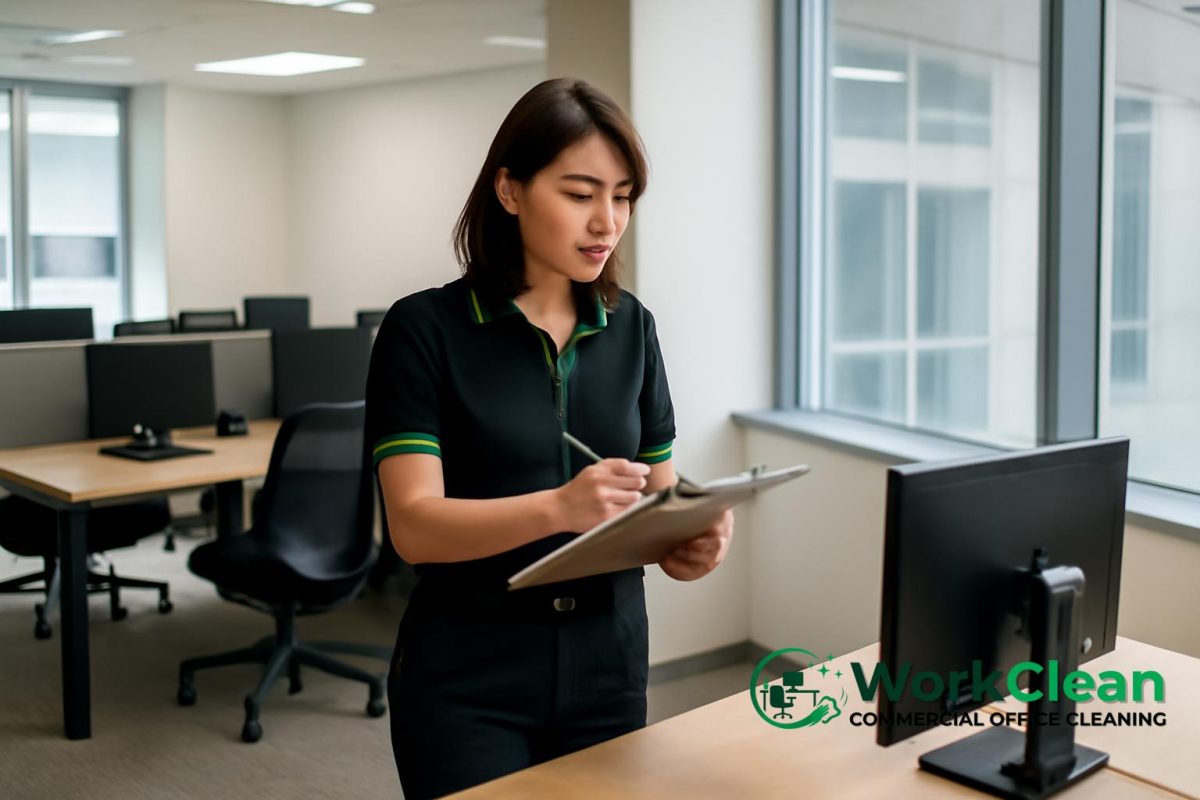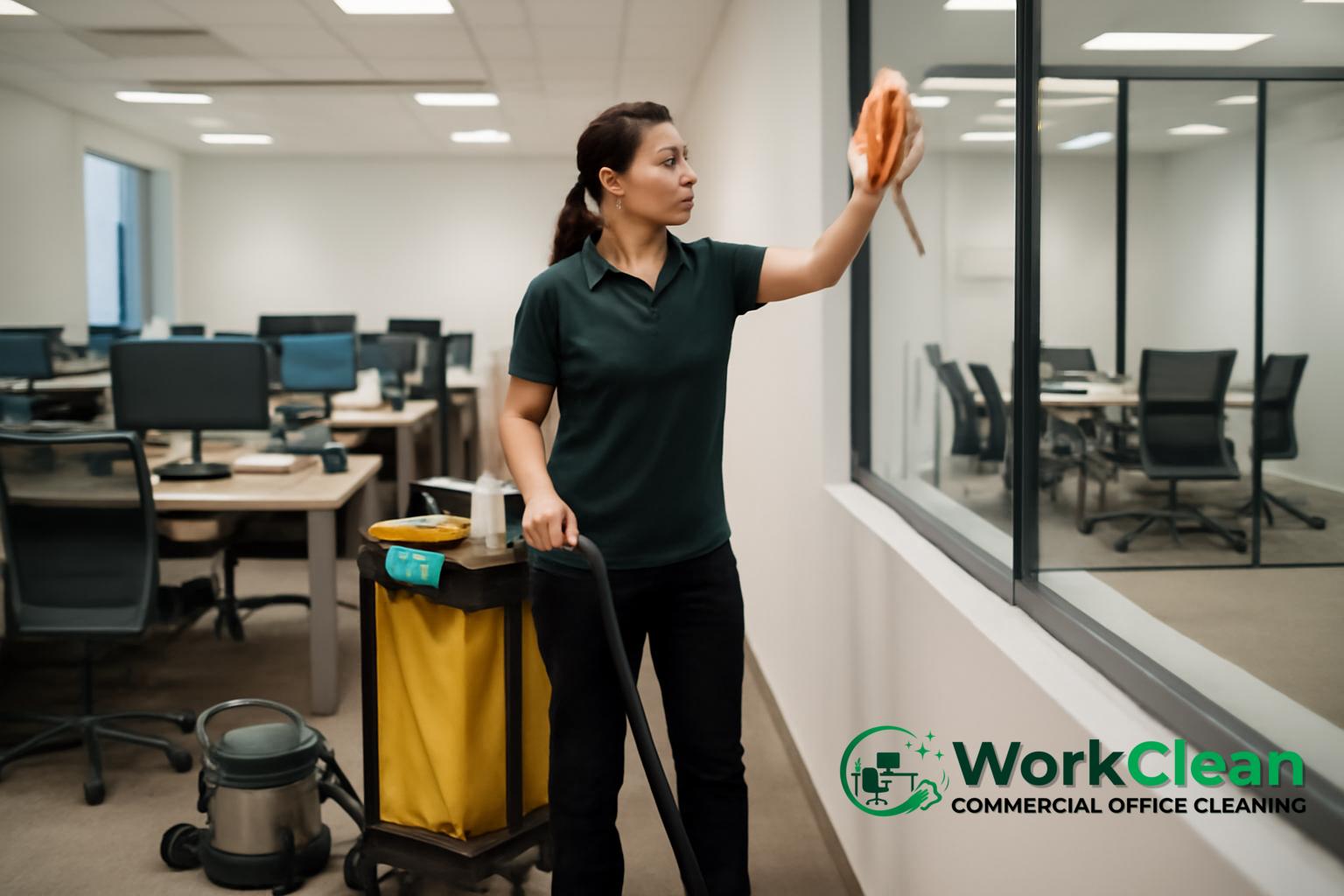
Interior glass and window sills are often overlooked until they start affecting how an office feels. In Singapore workplaces, where dust, humidity, air-conditioning and daily foot traffic all play a part, these surfaces can quickly collect fingerprints, water marks, airborne particles and grime. Knowing when to include them in office cleaning helps maintain a neat reception, a healthier working environment and a more professional impression for staff, clients and visitors.
Why interior glass and window sills matter in office cleaning
Interior glass is highly visible. Partition panels, glass doors, meeting room fronts and reception features are among the first things people notice when they enter an office. Smudges, streaks and dust buildup can make even a well-kept workplace look neglected, which affects how the business is perceived.
Window sills are less obvious at first glance, but they collect dust, dead insects, condensation residue and debris from open windows or air vents. When they are cleaned regularly, they support better overall hygiene and reduce the risk of dust being spread through workstations, shared spaces and meeting rooms.
When they should be part of the regular cleaning scope
Interior glass and window sills should be included in regular office cleaning when they are in daily use, highly visible, or located in areas that receive frequent traffic. This is especially relevant for reception areas, conference rooms, client-facing spaces, pantries and glass-walled meeting rooms. These areas shape visitor experience and should be maintained at a standard that matches the rest of the office.
A practical rule is to include them in the cleaning scope whenever fingerprints, dust or water marks are noticeable within the usual cleaning cycle. For many Singapore offices, this means a light wipe-down of touchpoints and glass surfaces during regular cleaning, with deeper attention on a scheduled basis.
- Daily or near-daily for reception glass, entrance doors and high-touch glass panels
- Weekly for interior windows, sills and partitions in general office areas
- Monthly or periodic for less-used glazing, upper ledges or harder-to-reach features
How usage and layout affect cleaning frequency
The right frequency depends on how the office is used. A startup with an open-plan layout, shared desks and frequent visitors may need more frequent glass cleaning than a quieter back-office environment. Offices with pantry access near glass panels, children visiting the premises, or heavy movement around meeting rooms may also see marks build up faster.
Layout matters too. Large internal glass partitions, low window ledges and glass doors near entrances tend to collect grime more quickly than surfaces tucked away from traffic. In co-working spaces and commercial premises with rotating users, part time cleaning arrangements can help keep these areas presentable without overcommitting to unnecessary tasks.
What a proper cleaning scope should include
A good office cleaning scope should state exactly which interior glass and window sill surfaces are included. This avoids confusion between general housekeeping and more detailed cleaning work. It also helps the office cleaning company plan the right schedule, equipment and time allocation.
At a minimum, the scope should cover fingerprints, dust, light smudges and surface debris. Depending on the office, it may also include glass partitions, meeting room doors, reception counter glazing, internal windows, sill edges, tracks and frames where accessible. If the workplace includes upholstery, office chairs or sofas nearby, the cleaning plan should also consider how dust from those areas may affect the glass and sills.
- Glass doors, partitions and meeting room panels
- Internal windows and accessible sill surfaces
- Frames, ledges and dust-prone edges
- Touchpoints near glass such as handles and nearby switches
DIY cleaning versus professional cleaning support
Basic DIY cleaning can work for small offices or for quick touch-ups between scheduled visits. A microfibre cloth and suitable glass cleaner can remove fingerprints from internal glass, while a dry or lightly damp cloth can deal with dust on window sills. For simple maintenance, this can be a useful part of office housekeeping.
However, professional office cleaning is usually better for consistent results across larger premises, commercial offices with multiple meeting rooms, or areas where glass surfaces are extensive. A commercial cleaning company will normally have the right tools and methods to reduce streaking, clean around edges more thoroughly and handle the task as part of a wider workplace cleaning routine that includes floors, pantries, toilets and shared spaces.
DIY cleaning also has limits. Using too much liquid, unsuitable cloths or harsh chemicals can leave residue, damage finishes or create streaks that are worse than the original marks. In humid Singapore conditions, residue may appear quickly if the wrong method is used.
Common mistakes that reduce cleaning quality
One common mistake is treating window sills as an afterthought. If they are not included in the checklist, dust settles there and can be redistributed into the room when windows are opened or air movement increases. Another mistake is cleaning glass only when it looks dirty. By then, stains can be harder to remove and the office may already appear untidy.
Other issues include using paper towels that shed lint, spraying cleaner directly onto surfaces near electronics, and overlooking frames, corners and lower edges. In offices with reception features, meeting rooms and glass partitions, these small misses can affect the overall impression of cleanliness.
Cost factors to consider when adding these tasks
The cost of office cleaning depends on scope, frequency, office size and how detailed the cleaning instructions are. Including interior glass and window sills usually adds time rather than creating a separate major task, but the exact impact depends on the number of panels, the height of the windows and whether the surfaces are easy to access.
Businesses should ask whether the quote covers routine wipe-downs, deeper periodic glass cleaning or both. For part time cleaning arrangements, it is useful to clarify what can realistically be completed within each visit so the cleaning schedule remains practical and within budget. A transparent scope helps avoid disputes later and supports better housekeeping standards across the office.
Choosing a suitable office cleaning provider in Singapore
When selecting an office cleaning company, look for a provider that can explain how glass and window sills fit into the wider cleaning plan. The best arrangement is usually one that is customised to the workplace rather than a generic checklist. This matters for offices with reception areas, meeting rooms, pantries, toilets and shared desks that all need different levels of attention.
Ask how the provider approaches maintenance standards, what equipment is used for glass surfaces, and how they handle part time office cleaning or recurring cleaning schedules. It is also wise to check whether the scope can be adjusted if your office changes layout, expands its shared spaces or introduces more visitor traffic. A good commercial cleaning arrangement should support workplace hygiene, not create extra management work for your team.
If you would like a transparent quotation and a suitable office or commercial cleaning scope, frequency and schedule, WhatsApp WorkClean Commercial Office Cleaning Singapore here: message us on WhatsApp.
Conclusion
Interior glass and window sills should be included in office cleaning whenever they affect hygiene, presentation or daily usability. For most Singapore workplaces, the best approach is to treat them as part of a broader cleaning scope that supports workstations, meeting rooms, reception areas, pantries, toilets, floors and shared spaces. With the right frequency and a clear checklist, these surfaces can stay presentable without overcomplicating the cleaning routine.
Choose WorkClean Commercial Office Cleaning Singapore
WorkClean Commercial Office Cleaning Singapore supports workplaces across Singapore with dependable and flexible office and commercial cleaning services. Our office cleaning arrangements include regular office cleaning, part-time office cleaning, part-time cleaning services and customised schedules for clients who require support with office upkeep without managing an in-house cleaning team. As an office cleaning company, we focus on key workplace areas such as workstations, meeting rooms, reception areas, pantries, toilets and common spaces. Whether you need a part-time office cleaner or a part-time cleaning company, we can recommend a suitable arrangement based on your premises, preferred timing and cleaning scope.
For broader commercial requirements, we also provide commercial cleaning services for different types of commercial premises. As a commercial cleaning company, we offer commercial office cleaning services together with general upkeep, upholstery cleaning, office chair cleaning and sofa cleaning where suitable.
Clients can read our blog for workplace cleaning insights, review our completed projects or check our pricing for available cleaning options. Contact WorkClean Commercial Office Cleaning Singapore on WhatsApp at +65 8241 0032 for assistance or to request a quotation.
Frequently Asked Questions
Should interior glass be cleaned every day in an office?
Not always. High-touch glass such as reception doors and frequently used meeting room panels may need daily attention, while less visible glass can often be cleaned weekly or on a planned schedule. The right frequency depends on traffic, layout and how client-facing the area is.
Are window sills included in standard office cleaning?
They should be, but it depends on the cleaning scope. Some standard cleaning arrangements include dusting and wiping accessible sills, while deeper cleaning of tracks, frames or harder-to-reach areas may be scheduled separately. Always confirm the scope in writing.
Can part time office cleaning cover glass and window sills?
Yes. Part time office cleaning can include these tasks if the schedule and time allowance are realistic. This is often suitable for smaller offices, startups and commercial premises that need regular upkeep without full-time cleaning support.